**Skipping ahead to our time in the Societies. The Tuamotus will be documented at a later date**
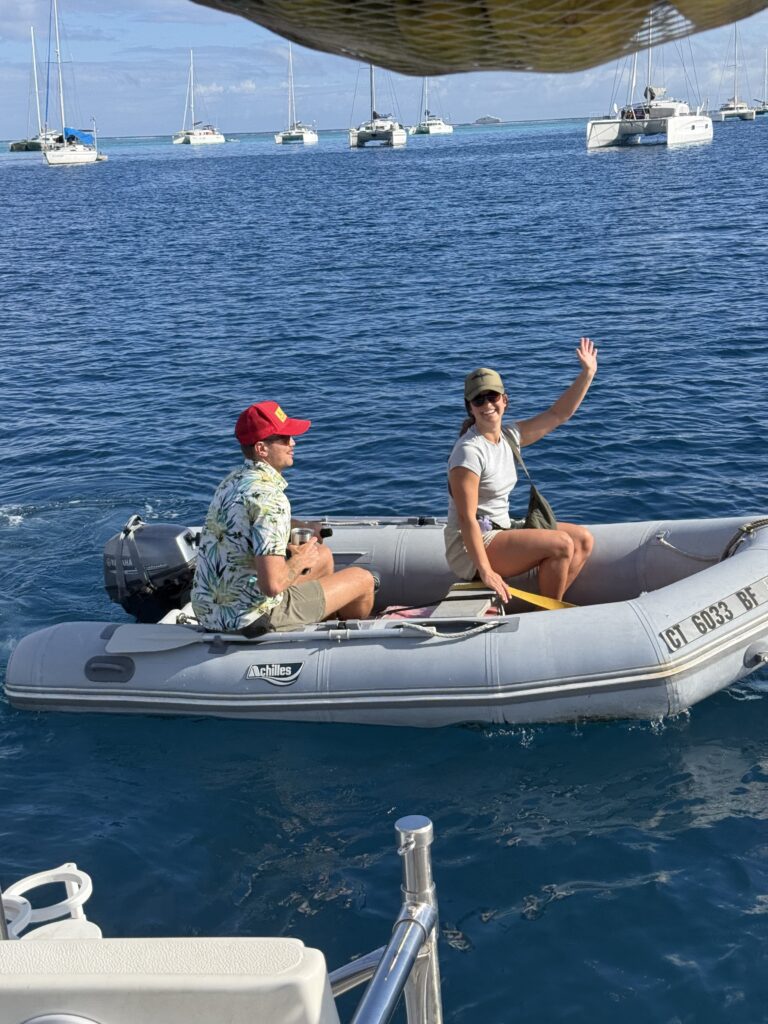
After being isolated in the Tuamotus, our two months in the Society Islands felt like a whirlwind. We buddy boated with Tardigrade from False Pass, Tuao to Point Venus, Tahiti. It was a bouncy overnight sail with wind and waves ahead of the beam, but it was a good reminder of the leaks we needed to fix before our long passage west.
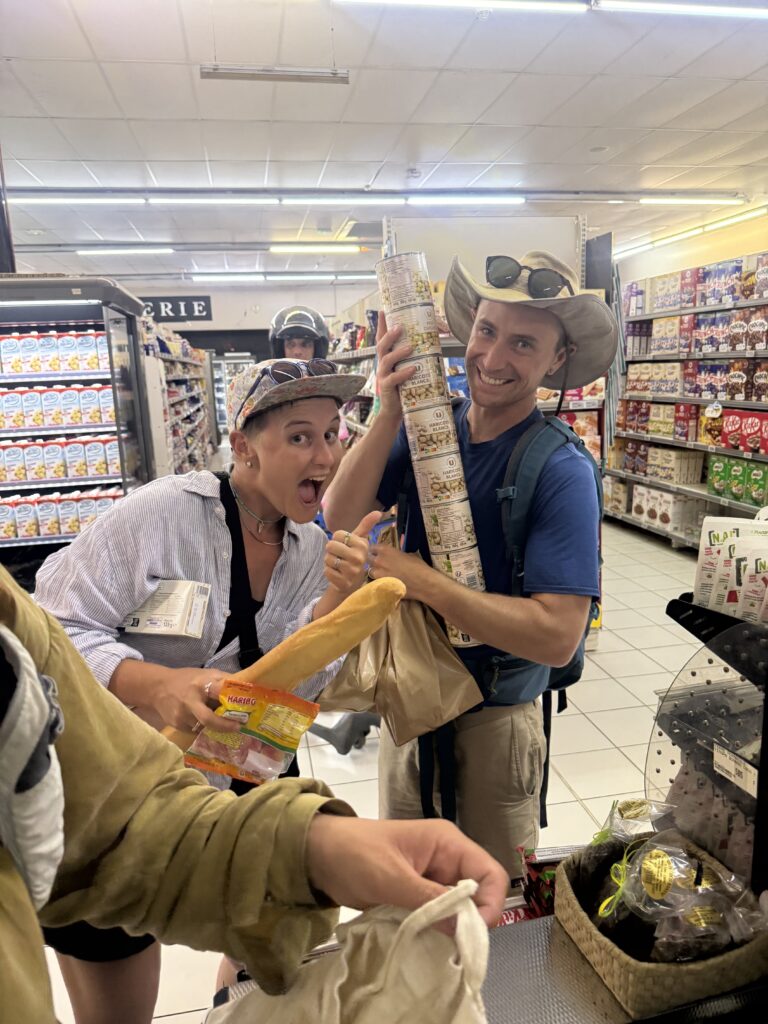
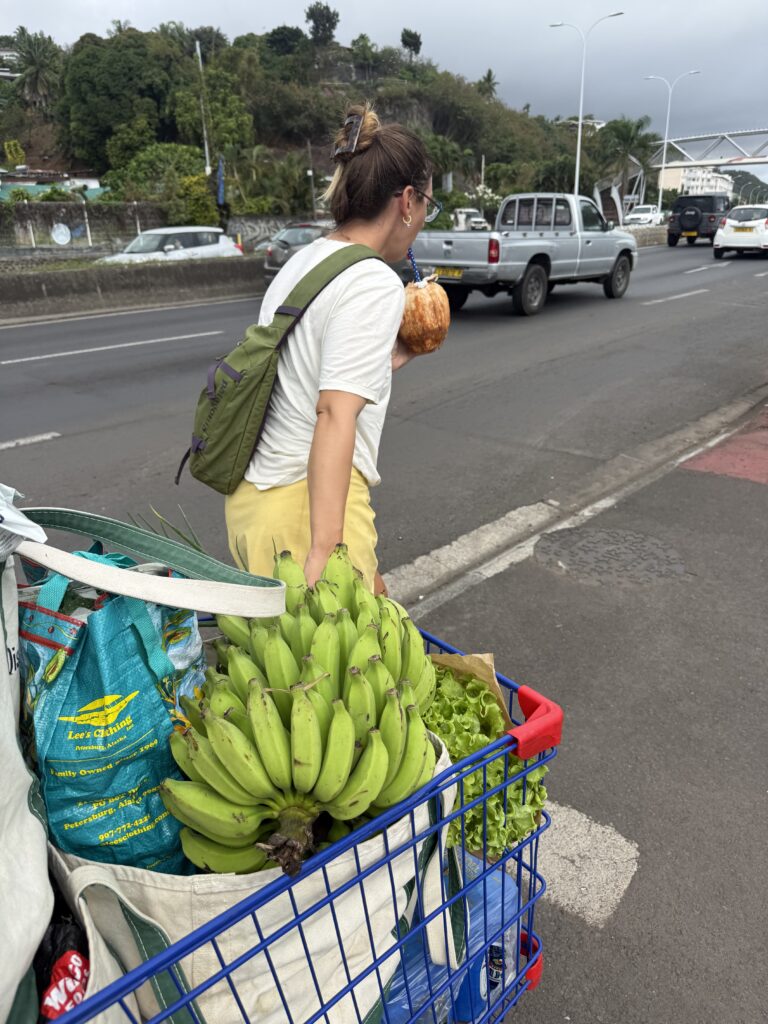
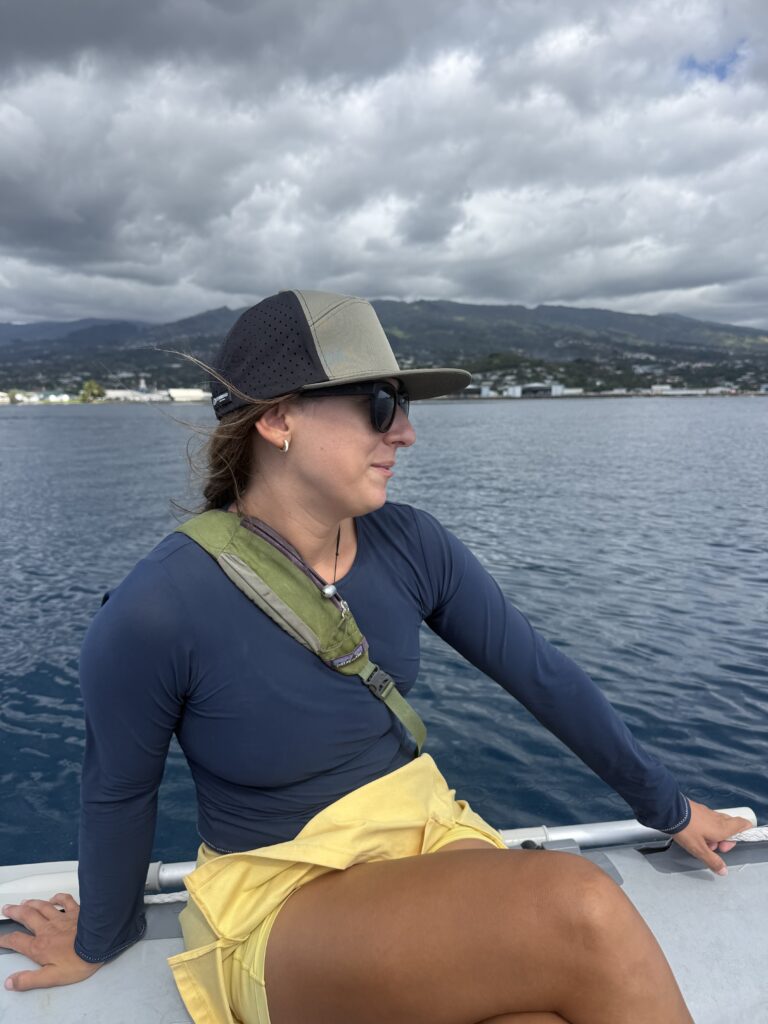
We arrived at Tahiti’s black sand beaches in the early morning and couldn’t believe the mountains! Tardigrade shuttled us ashore in their dinghy so we could step foot on land and visit our first proper grocery store in three months. After months of shopping at dimly lit stores in the Tuamotus, where you had to open each cooler to see what was inside, we were in sensory overload. Bright fluorescent lights illuminated rows of kitchen appliances, JBL speakers boomed throughout the aisles, and we were suddenly surrounded by more stuff for sale than we’d seen in months. It’s amazing how much you just want to stop and stare at everything. It took us about 30 minutes just to find the fresh produce section. Evidently, it doesn’t take long for consumerism to reel you back in.
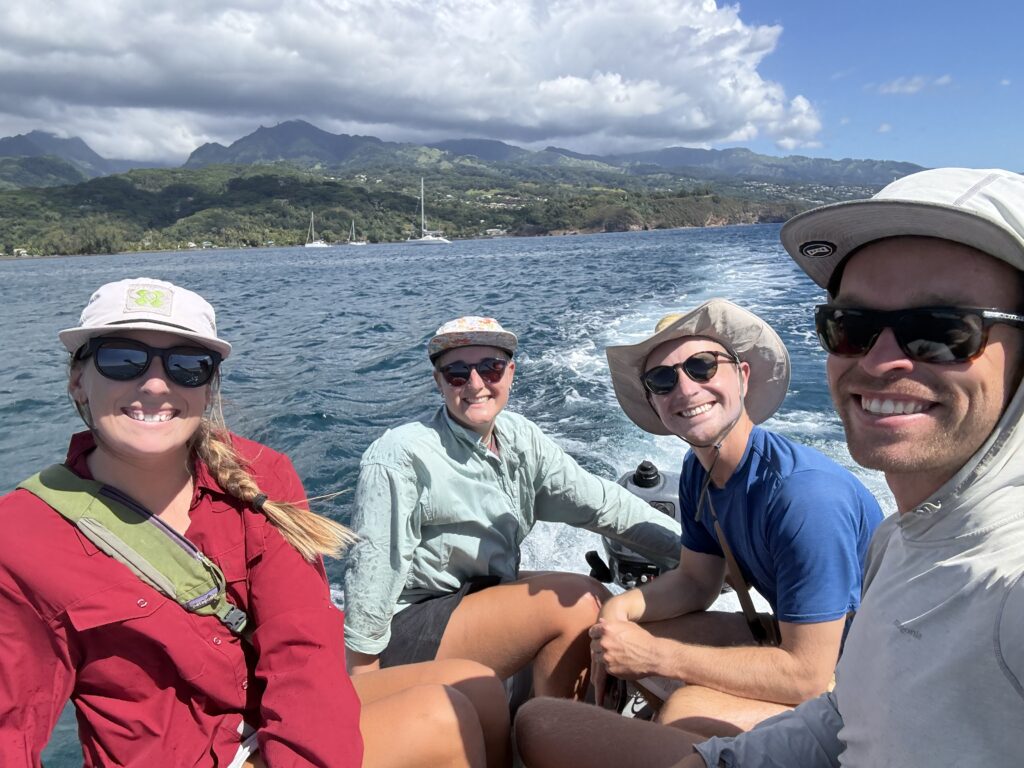
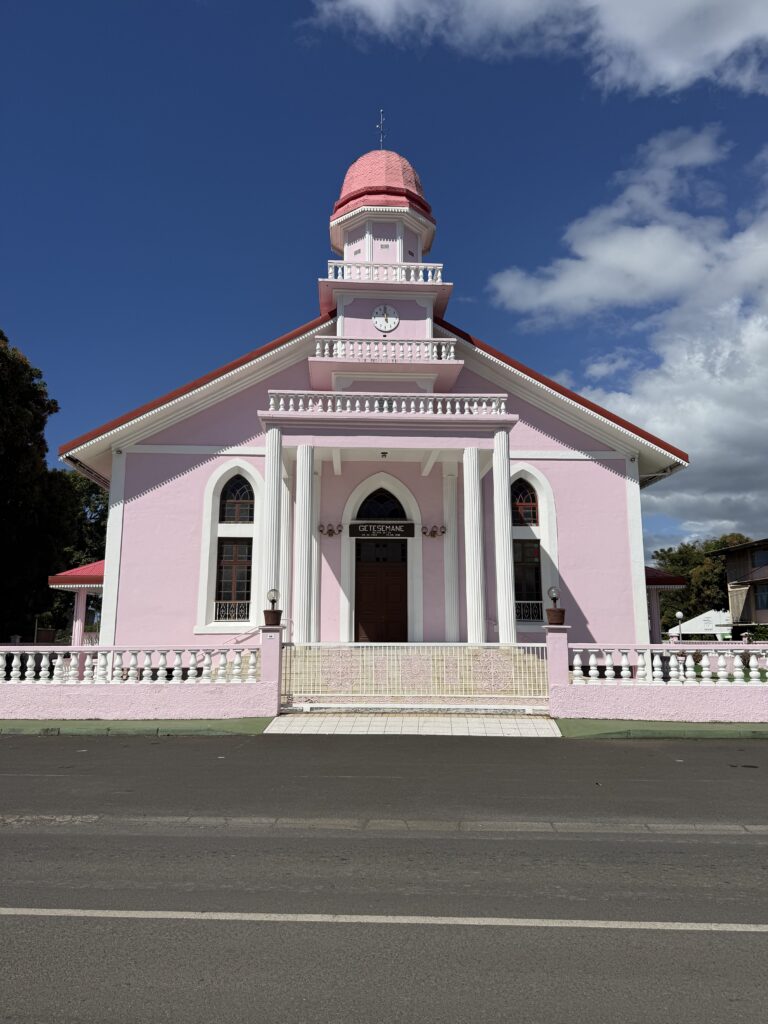
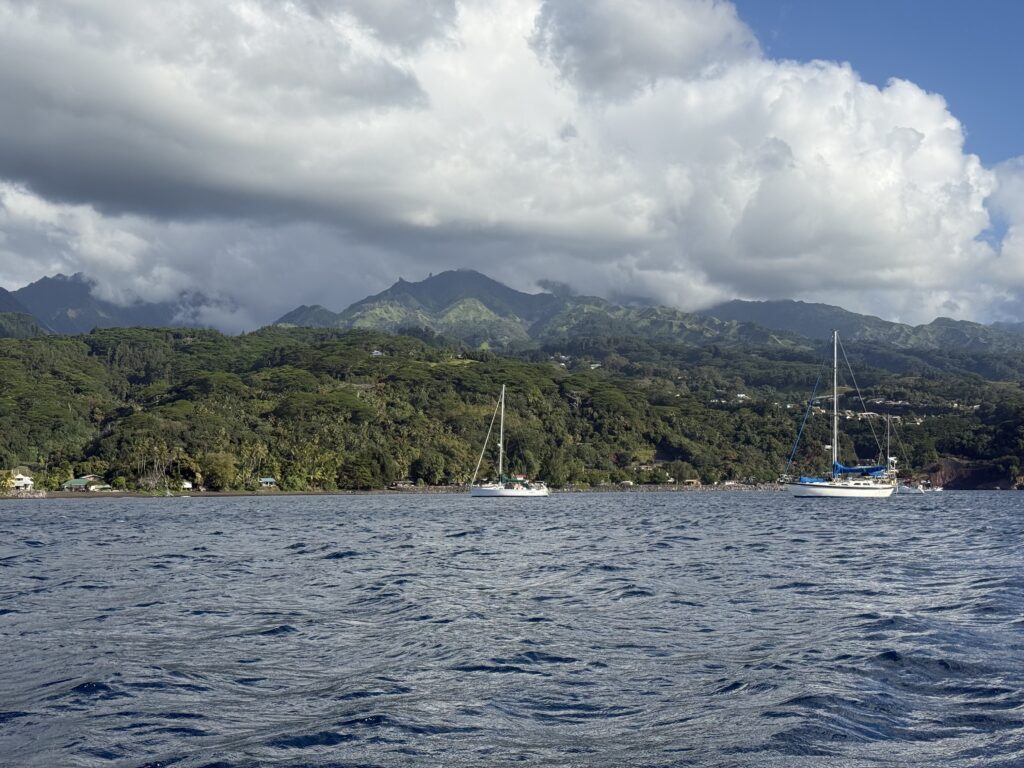
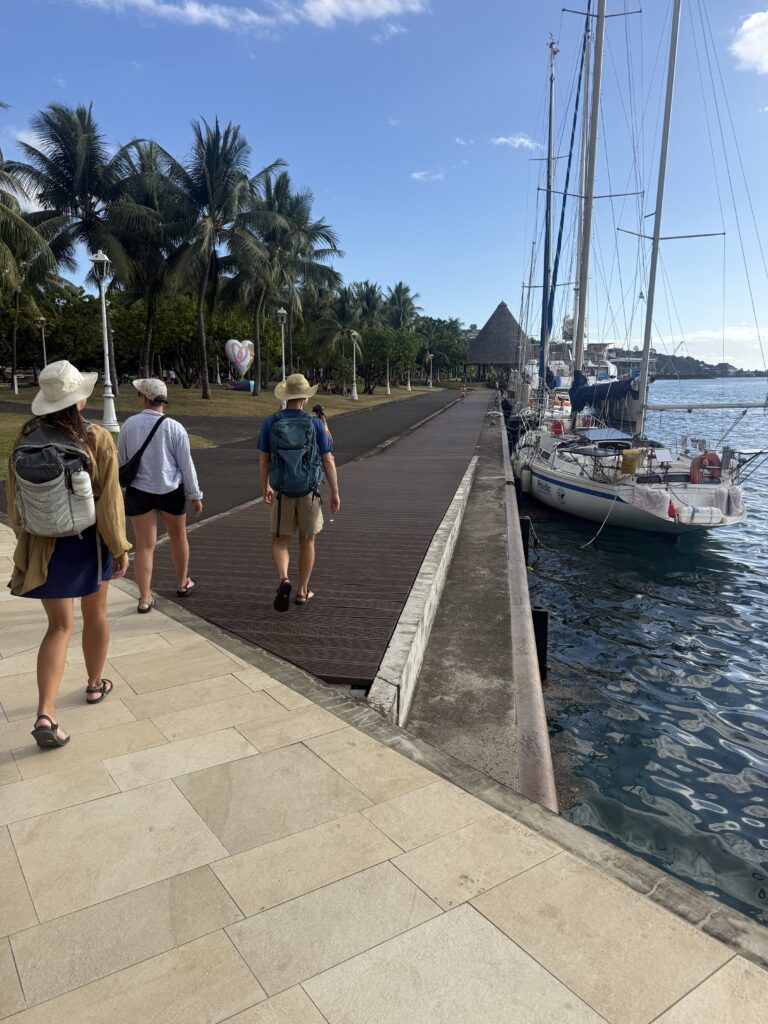
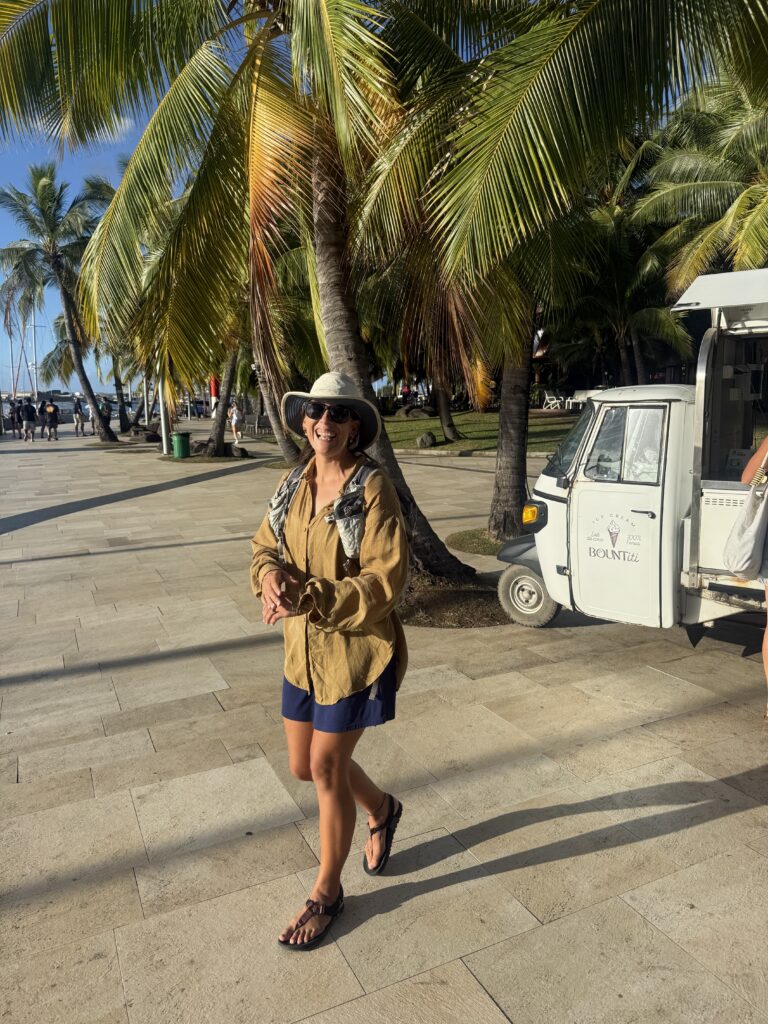
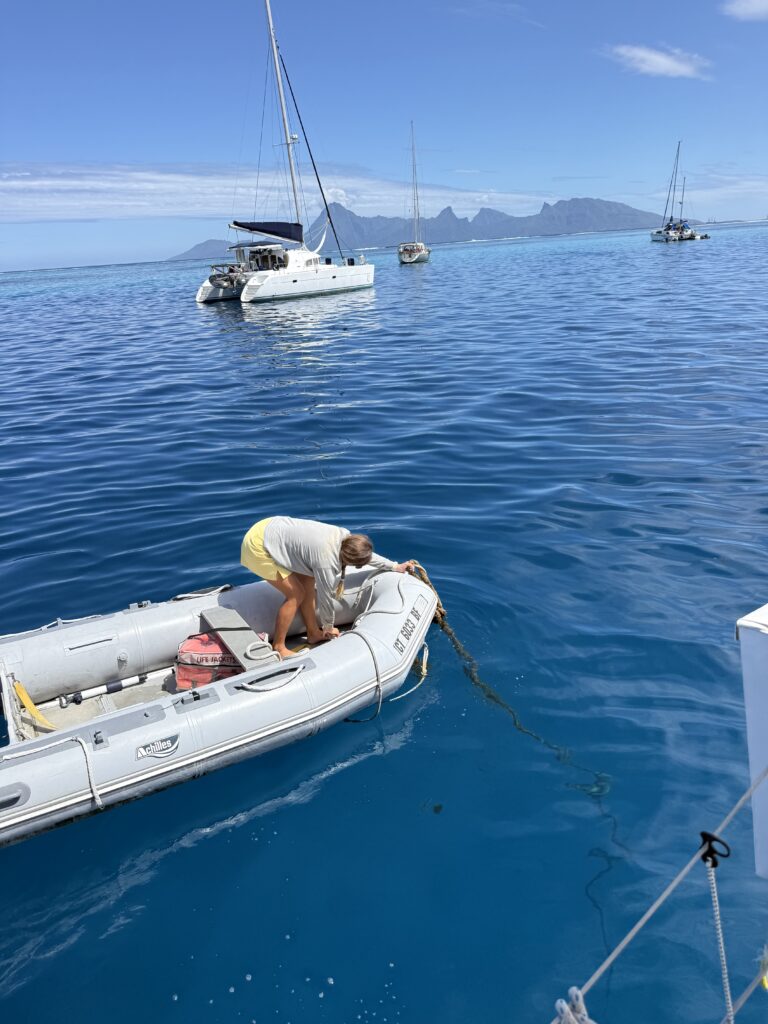
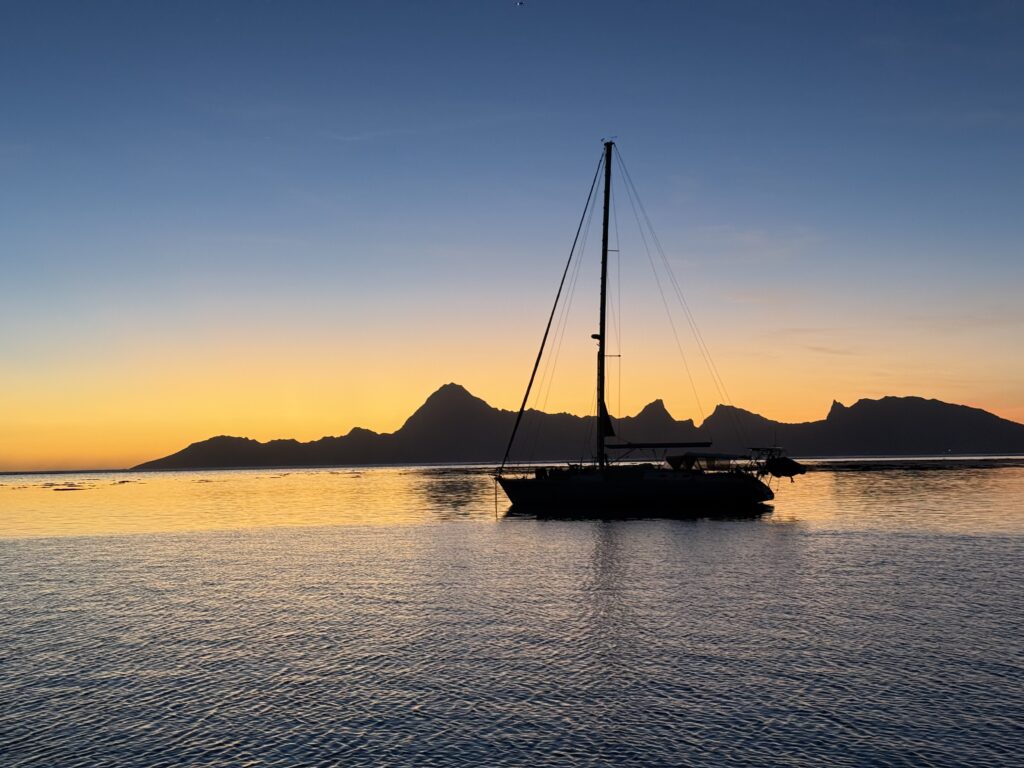
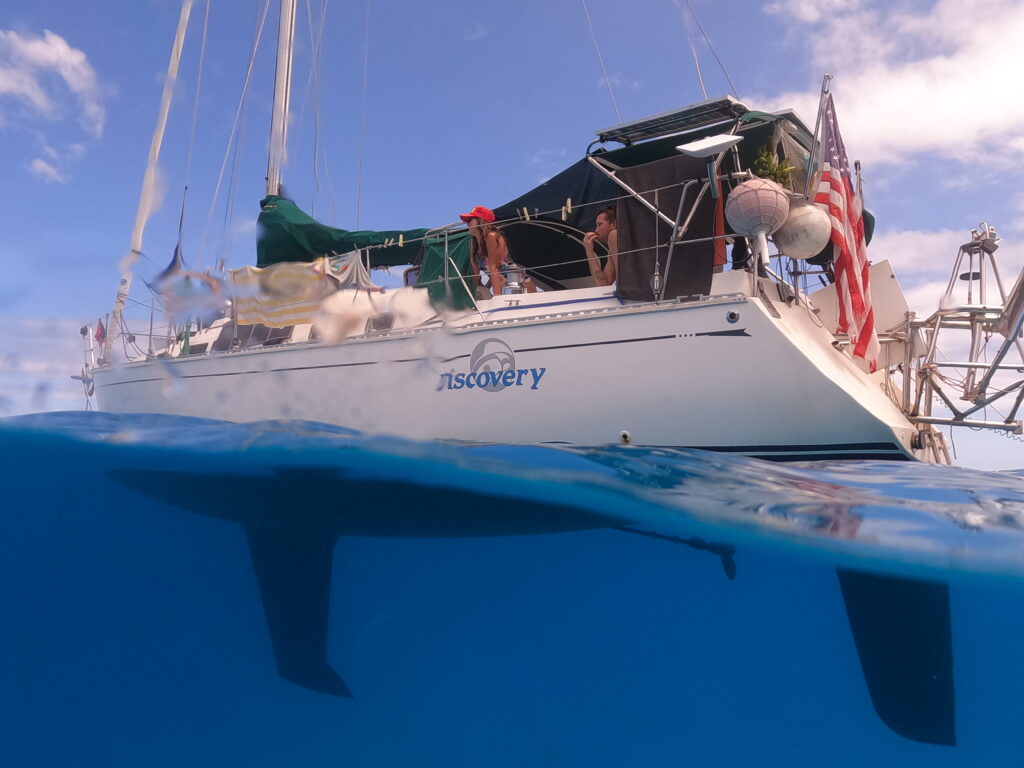
After a couple of days in Point Venus, Peter Johnstone messaged us that Moanaroa was checking out of French Polynesia and offered us their secret mooring. The airport anchorage used to be full of moored boats, but a couple of years ago, Marina Taina removed all the floating balls, leaving the cement blocks and mooring lines sitting 20 feet underwater. If you know where to look and are willing to dive for it, you can snag yourself a mooring. Luckily, we didn’t have to get wet. We just pulled up alongside Peter and tossed him one of our fenders, which he attached to the mooring. They sailed off for Maupiti and hopefully, we’ll reconnect with them in New Zealand!
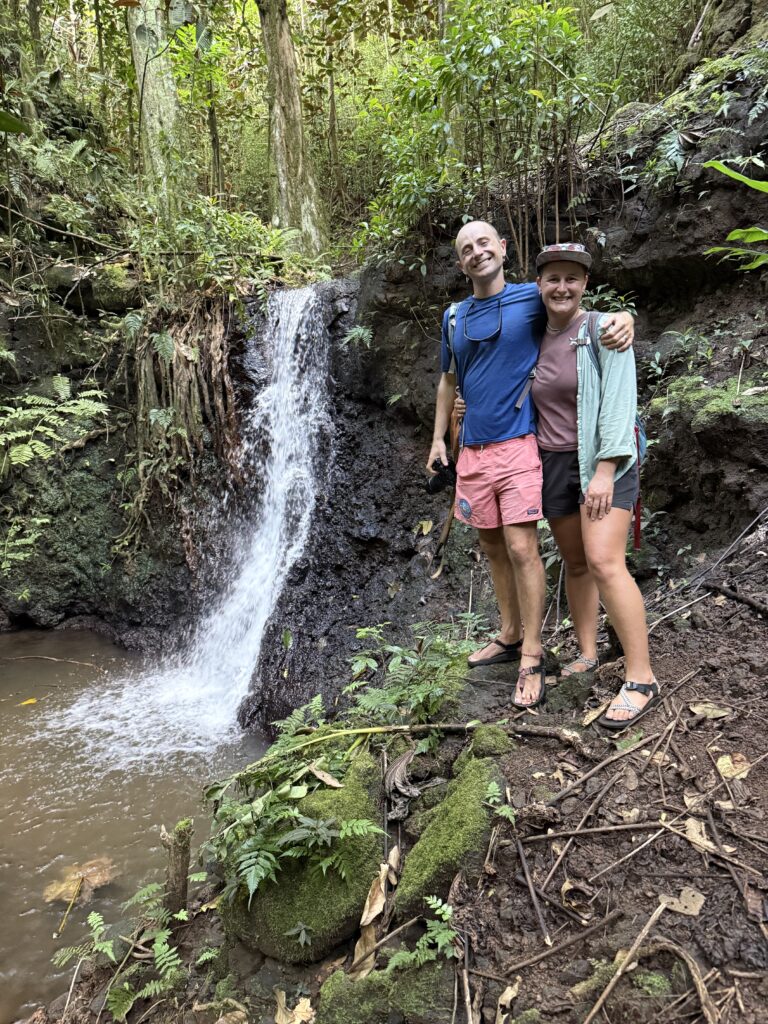
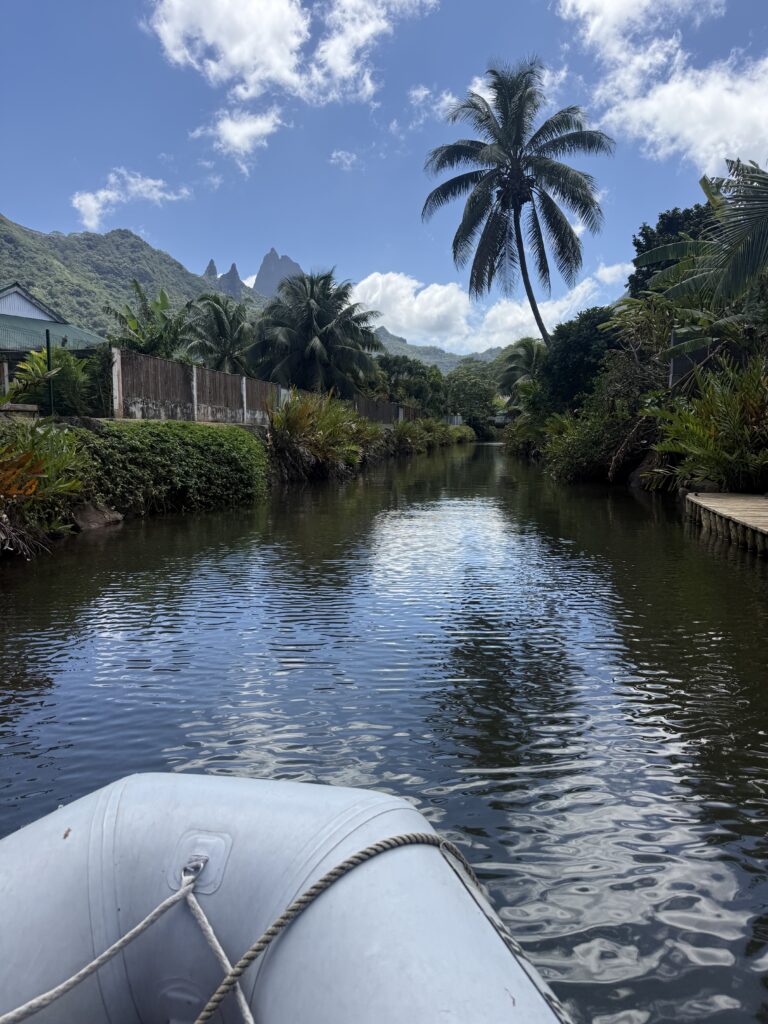
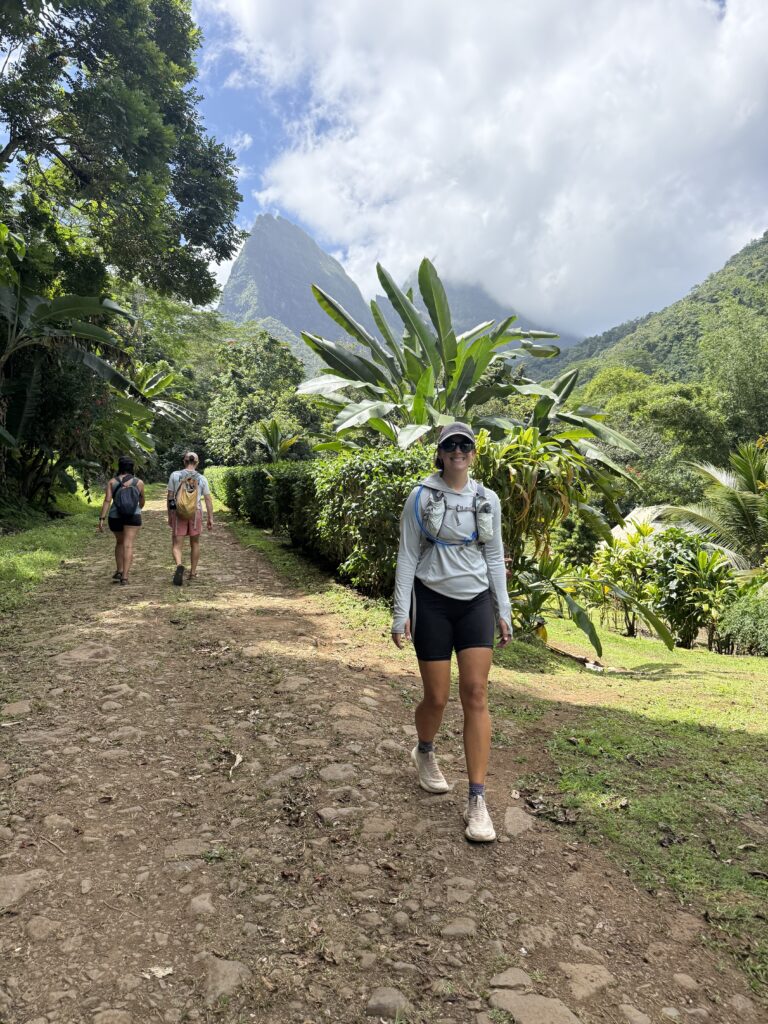
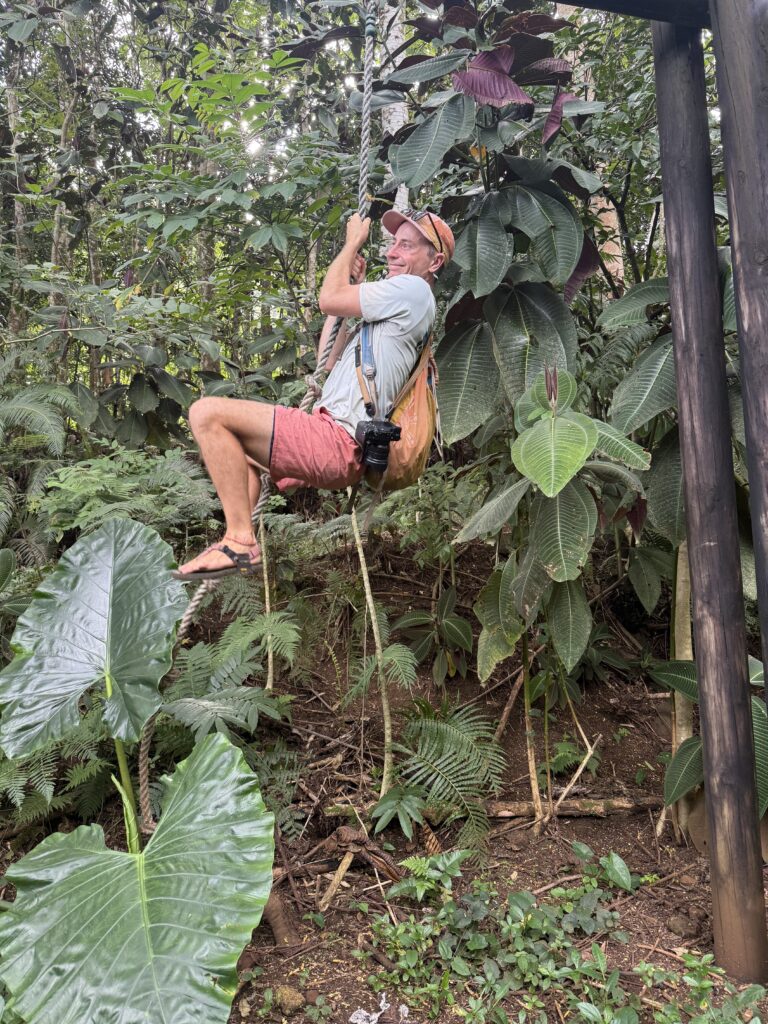
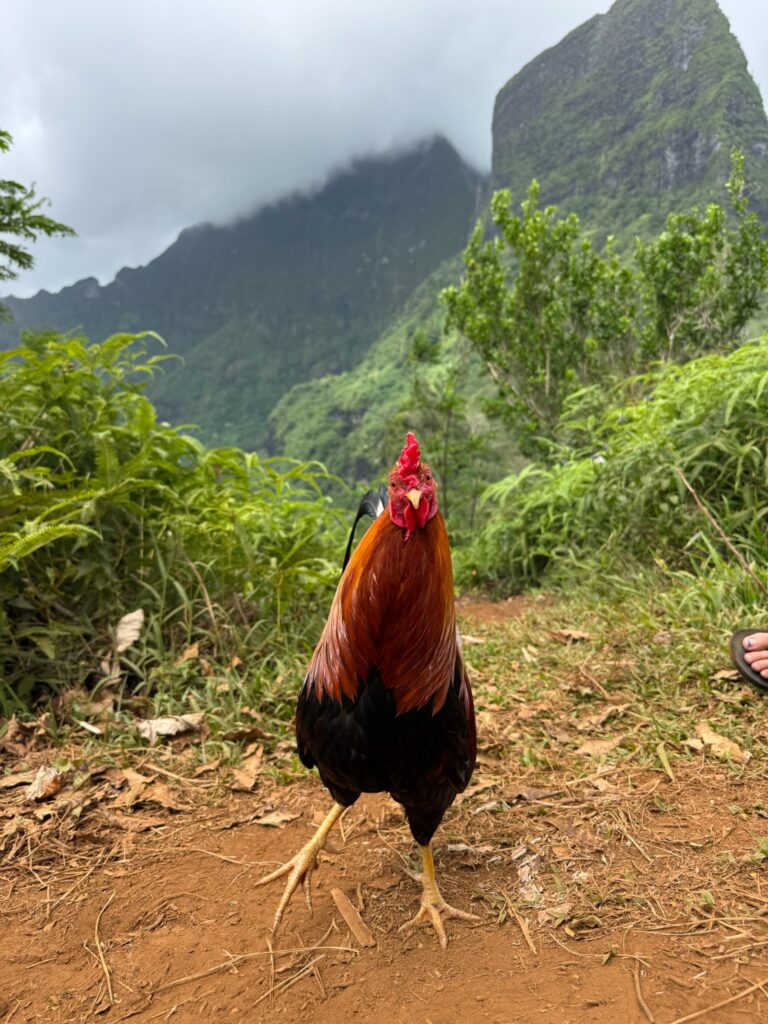
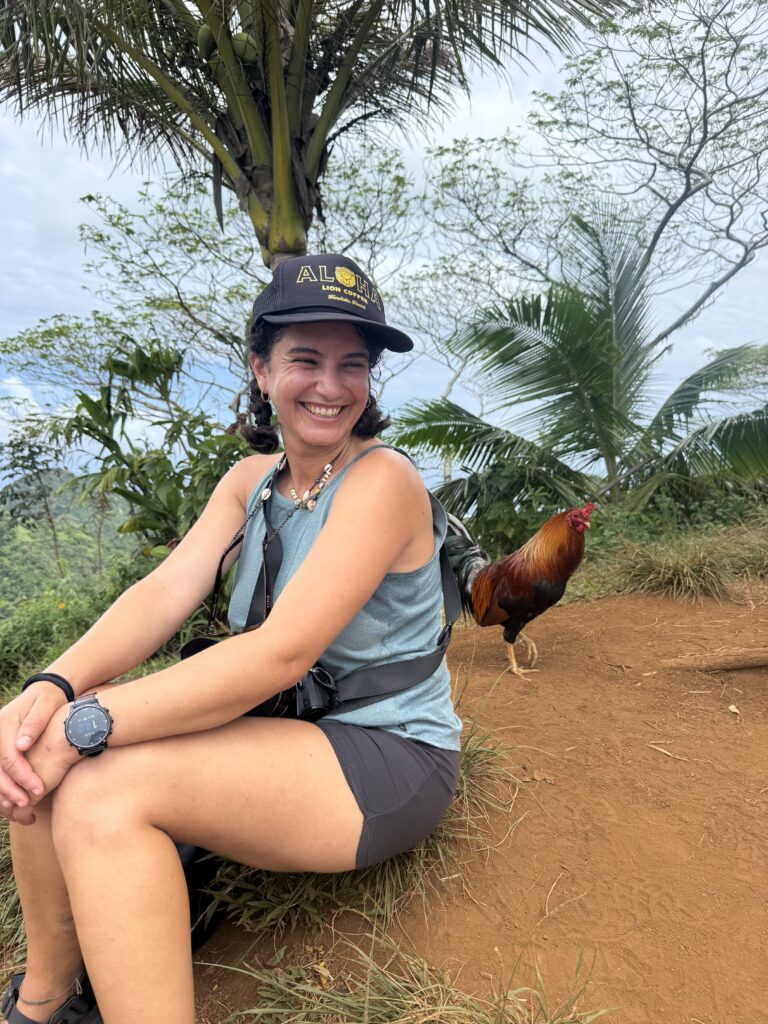
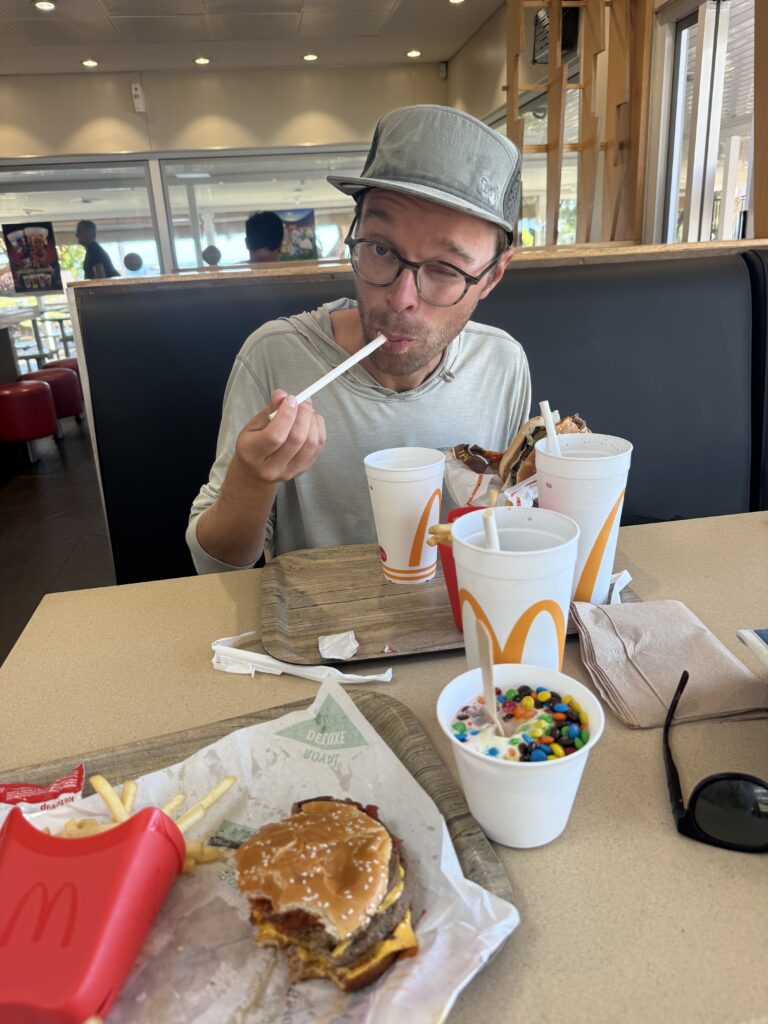
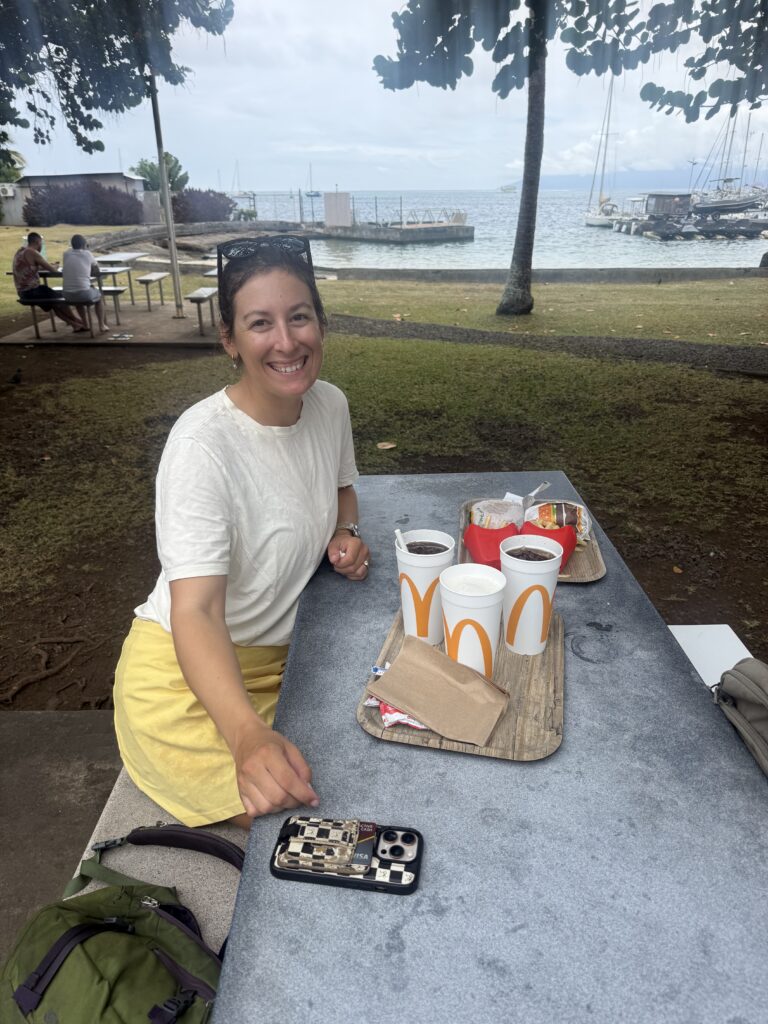
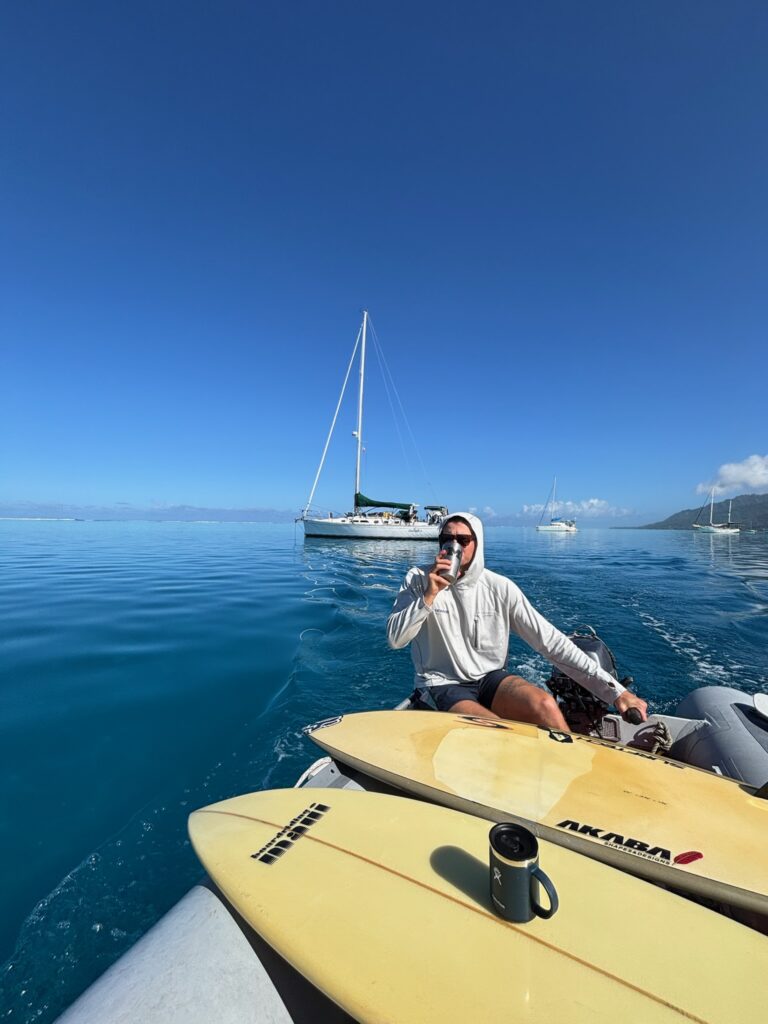
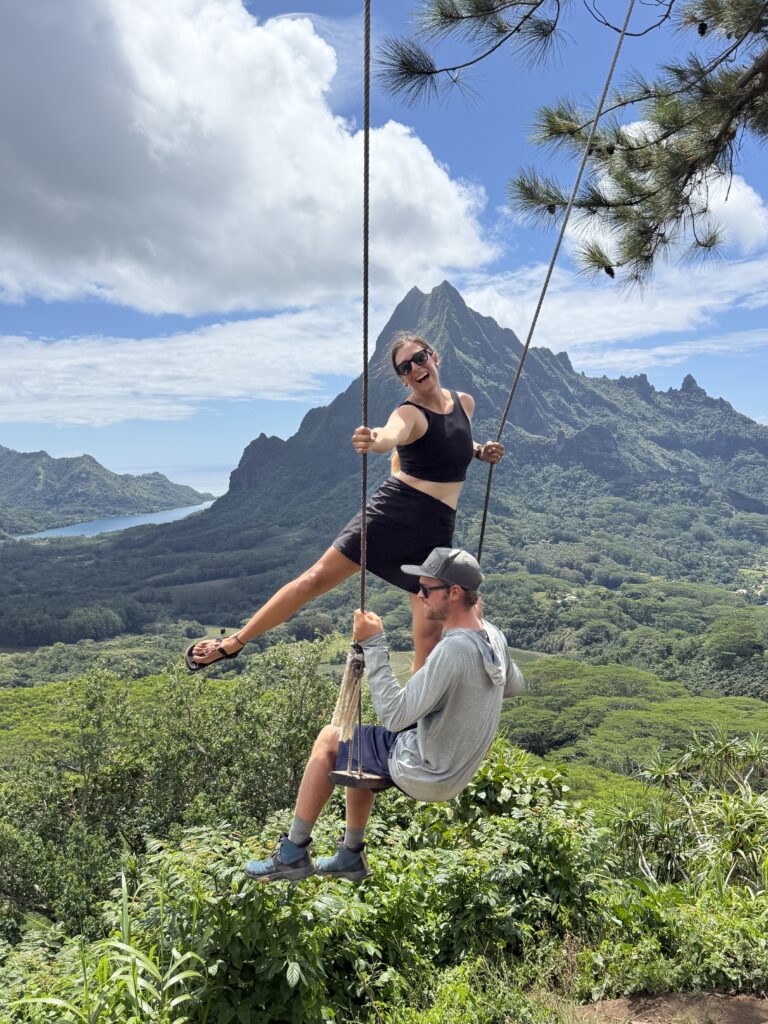
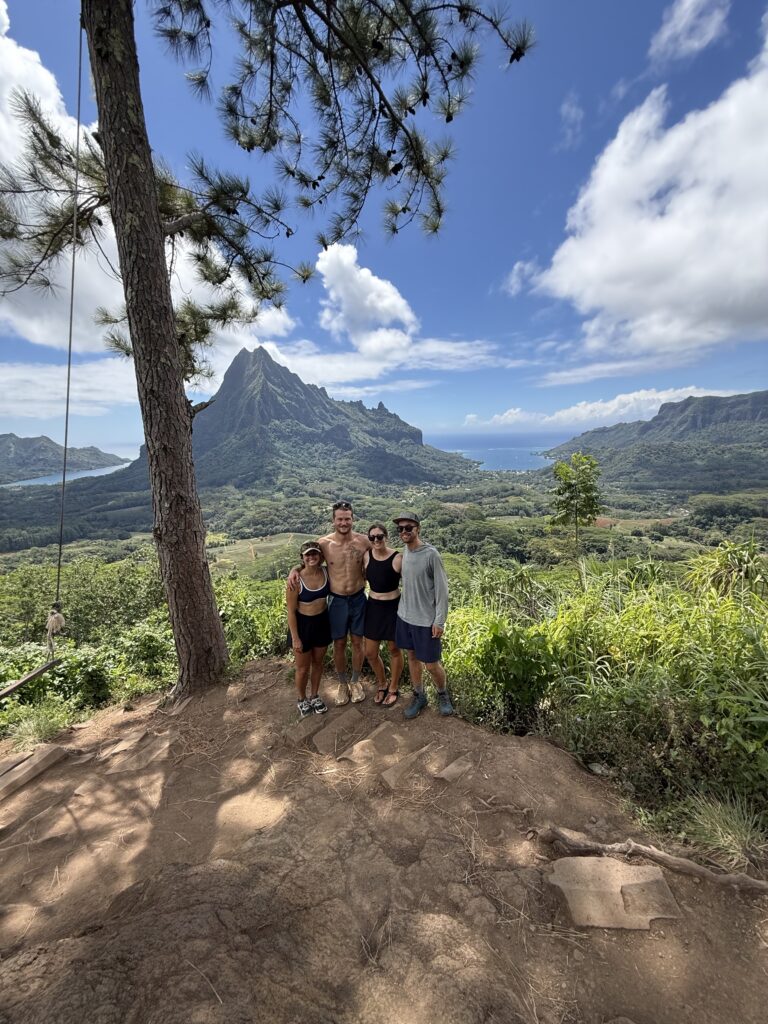
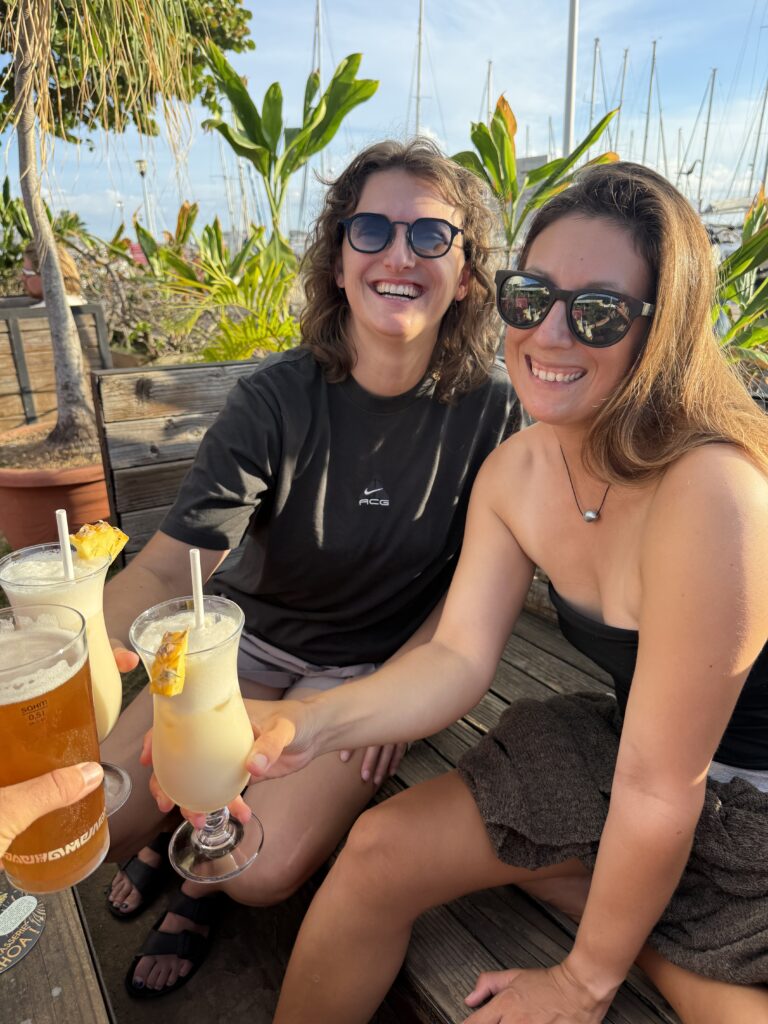
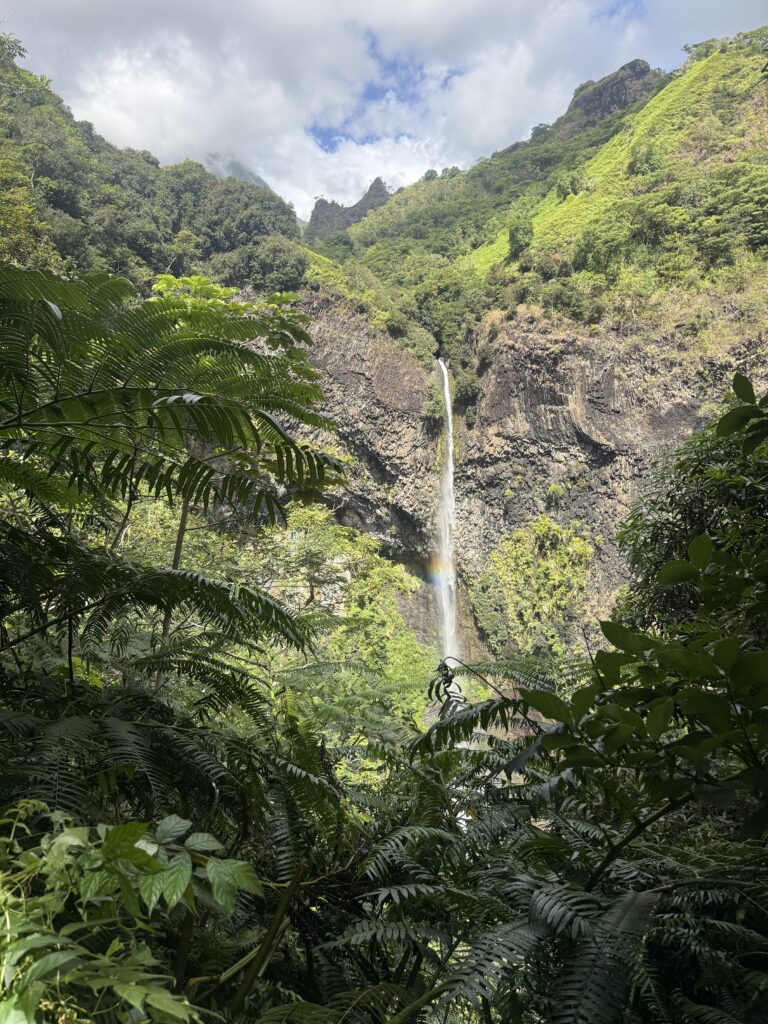
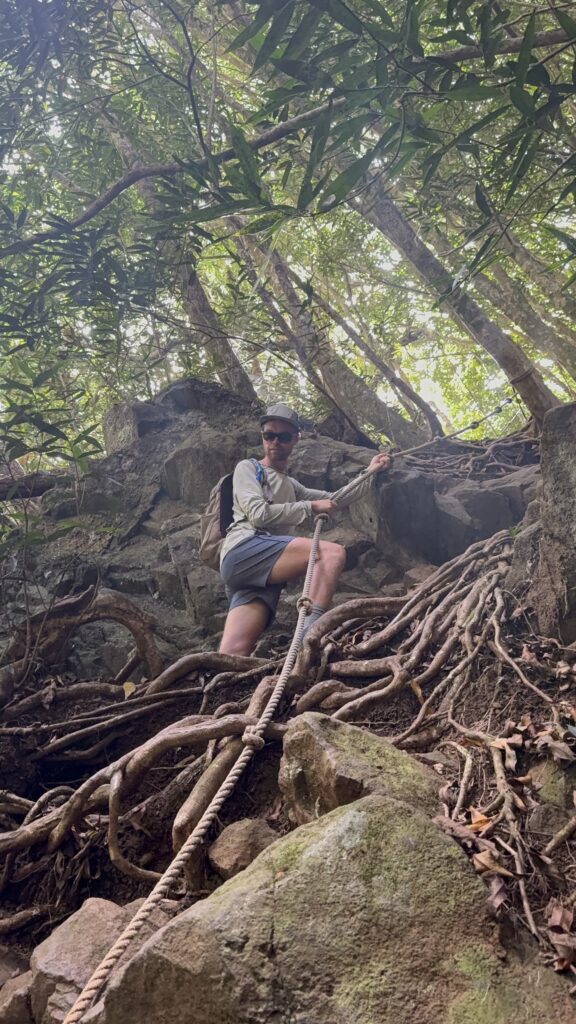
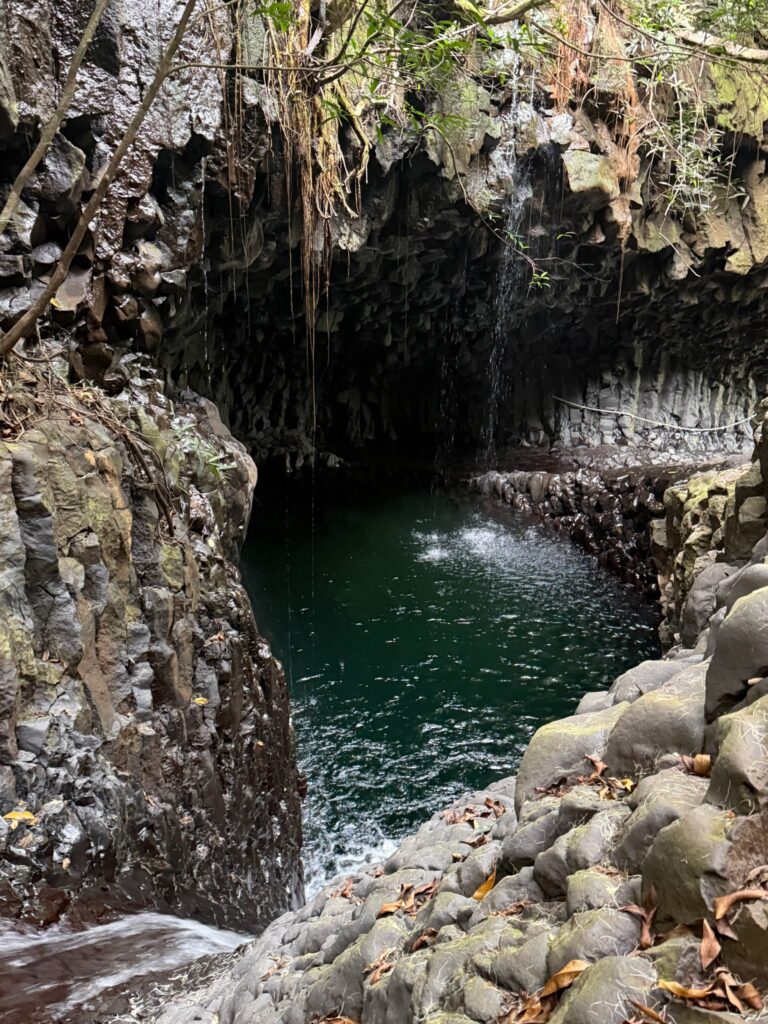
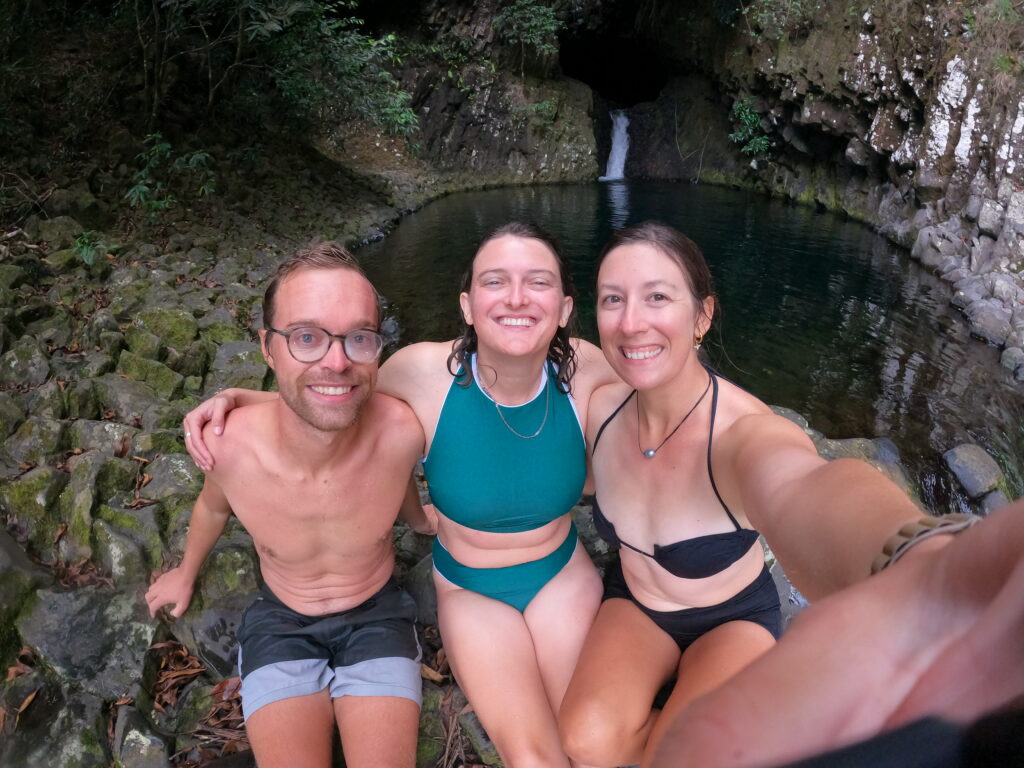
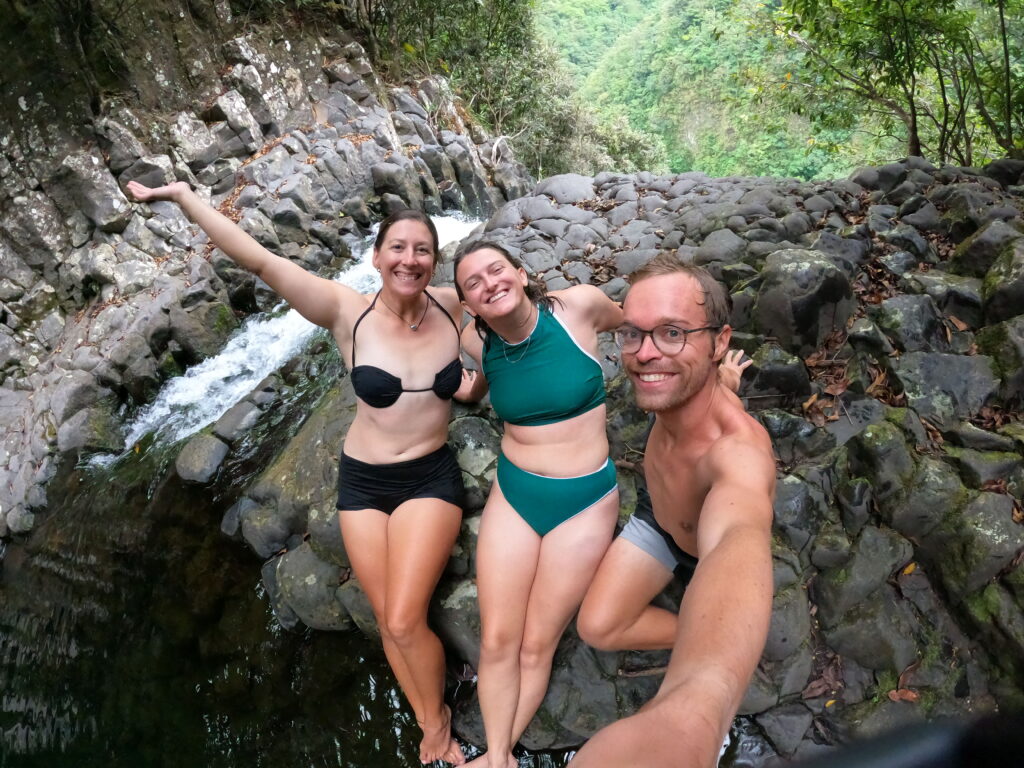
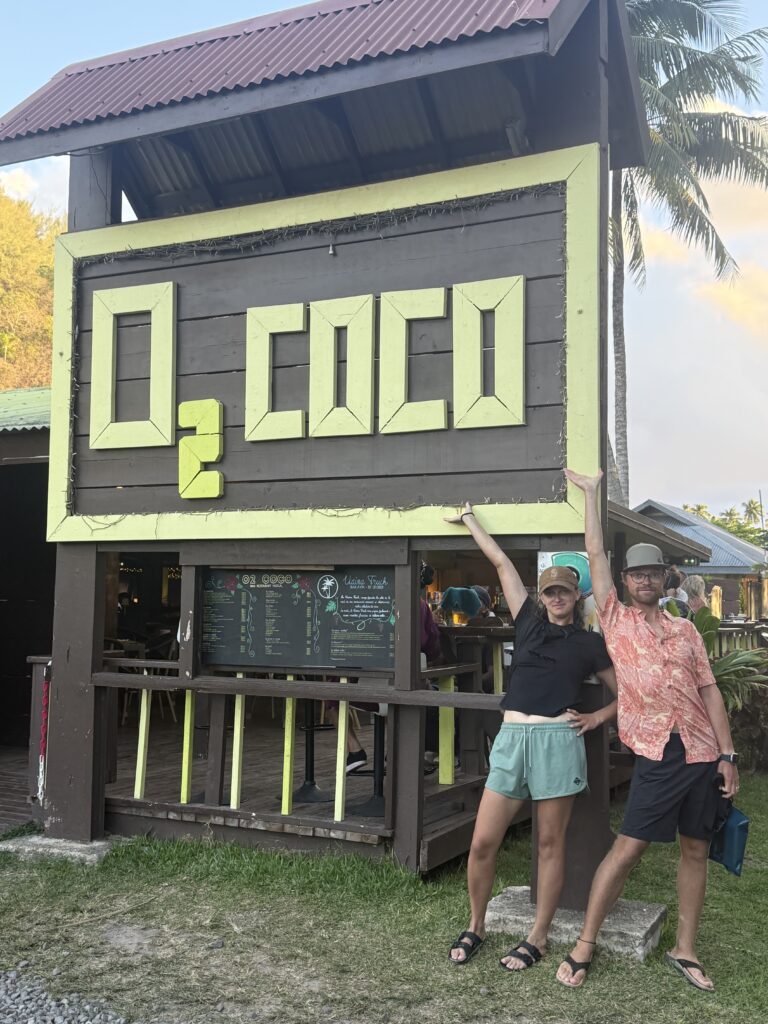
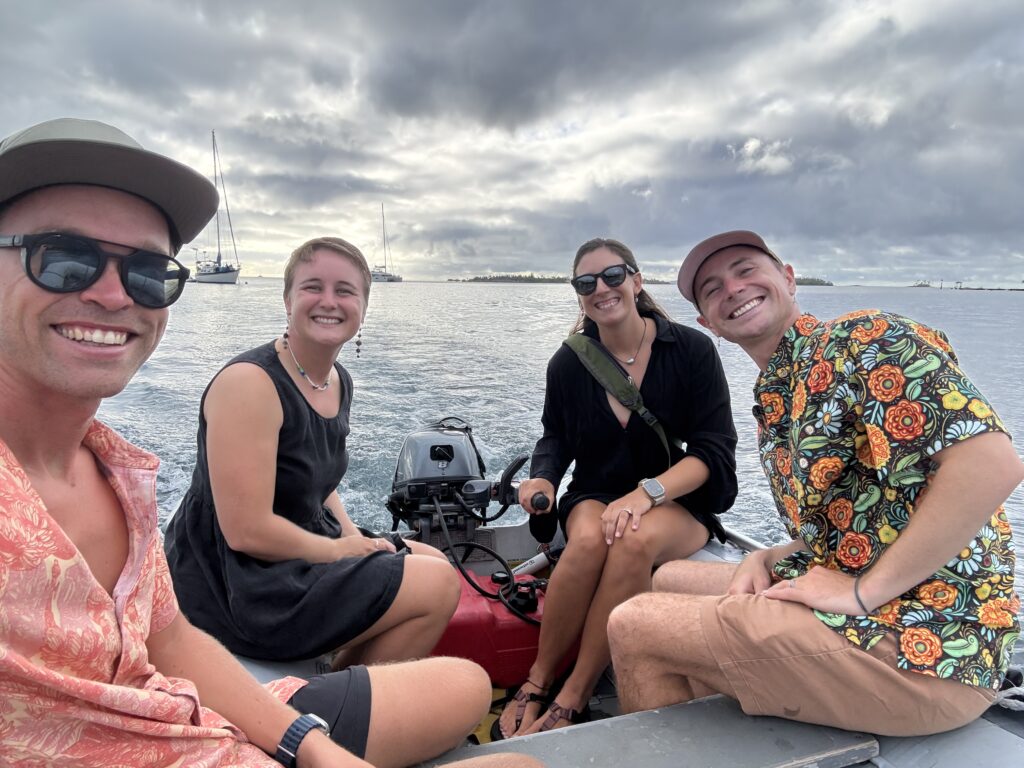
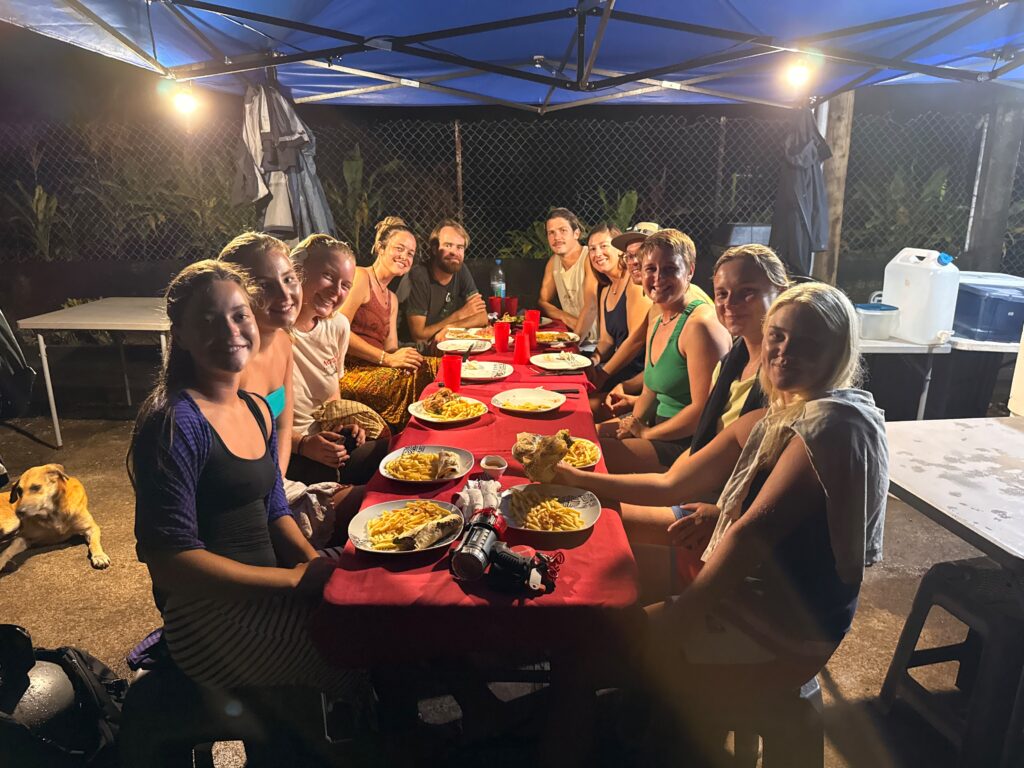
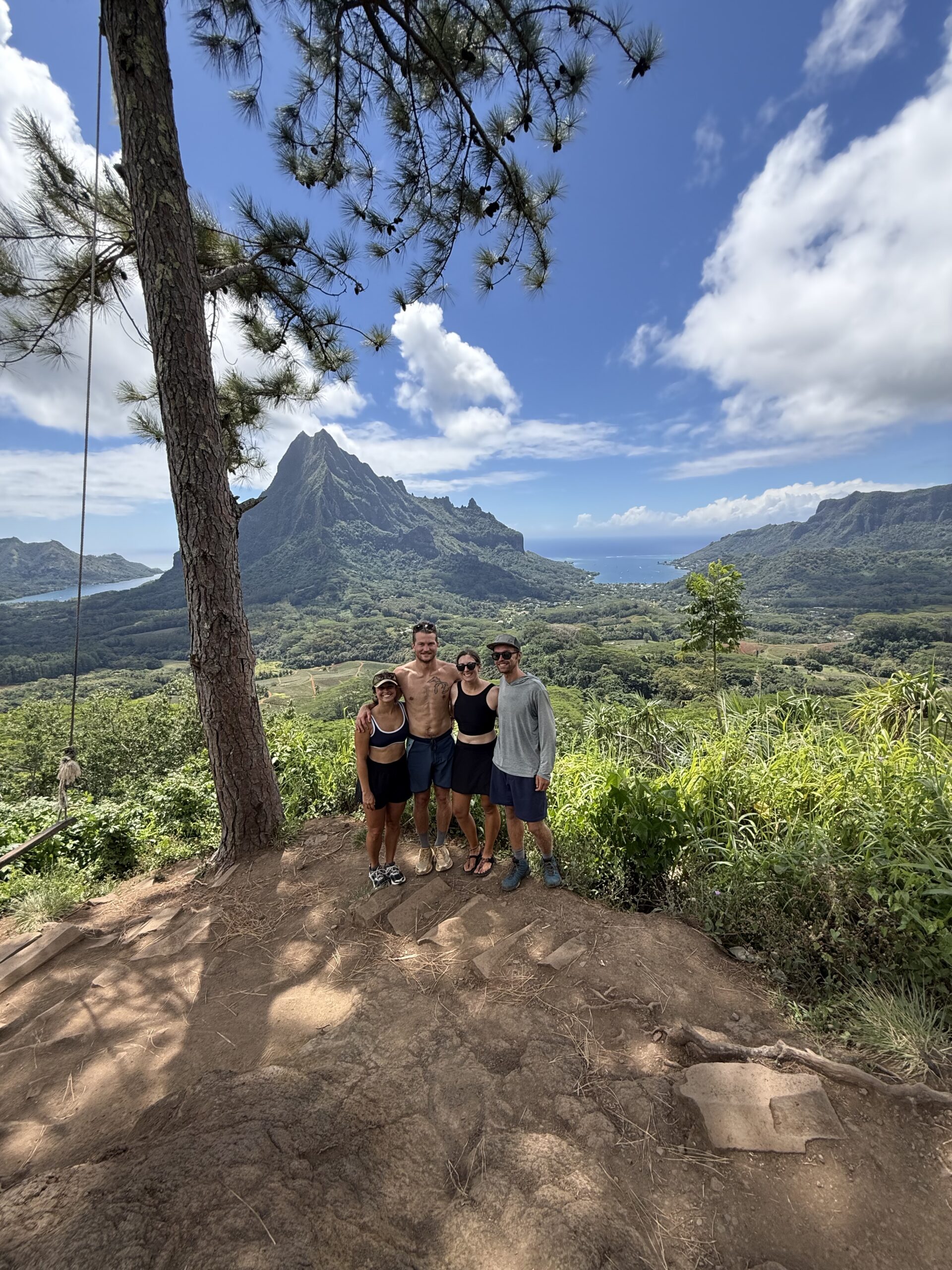
Now settled on a mooring in Tahiti’s wind shadow, we set out with Tardigrade to explore the island. We squeezed in a number of hikes (Fautauna was the best, with a hidden grotto), saw Teahupo’o up close, and ate out at least once a day. Vini-vini’s poke and Papahinna’s cornflake-crusted tuna burger became weekly stops. There was even a dinghy dock right in front of McDonald’s, which Mason and I frequented regularly.
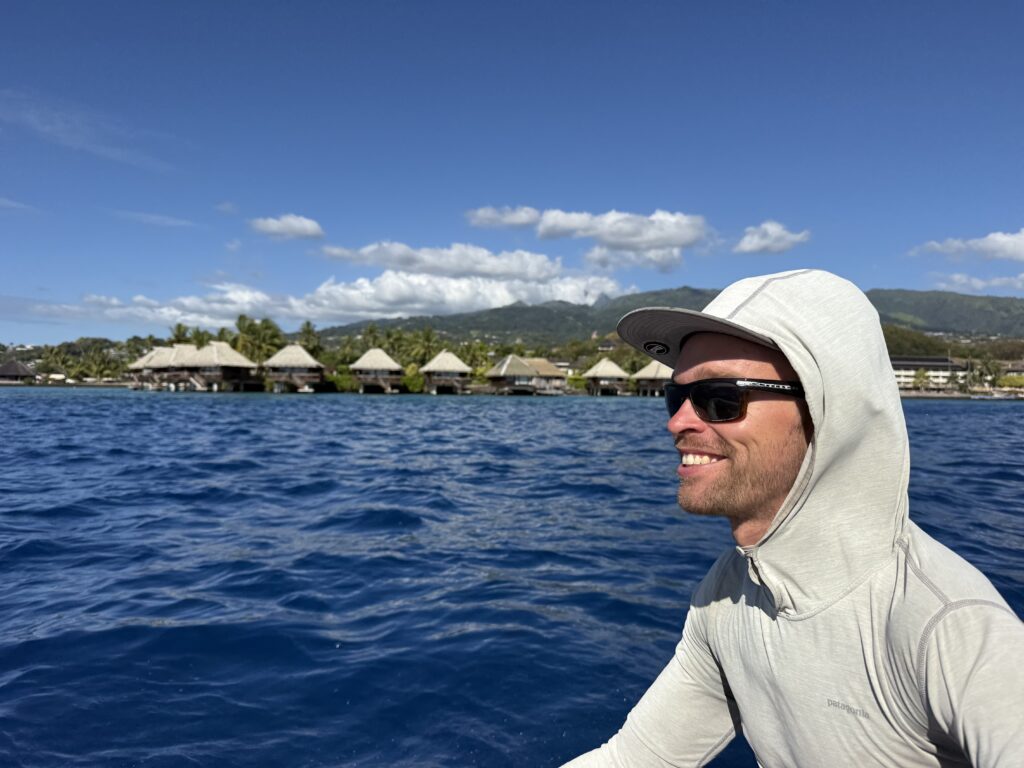
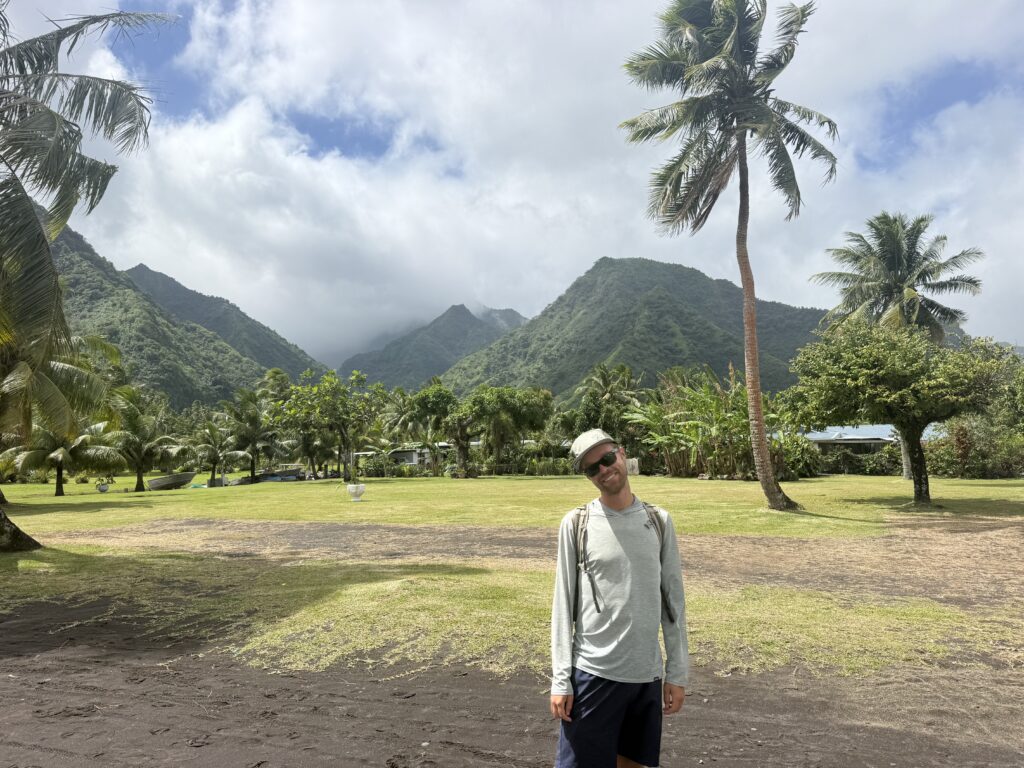
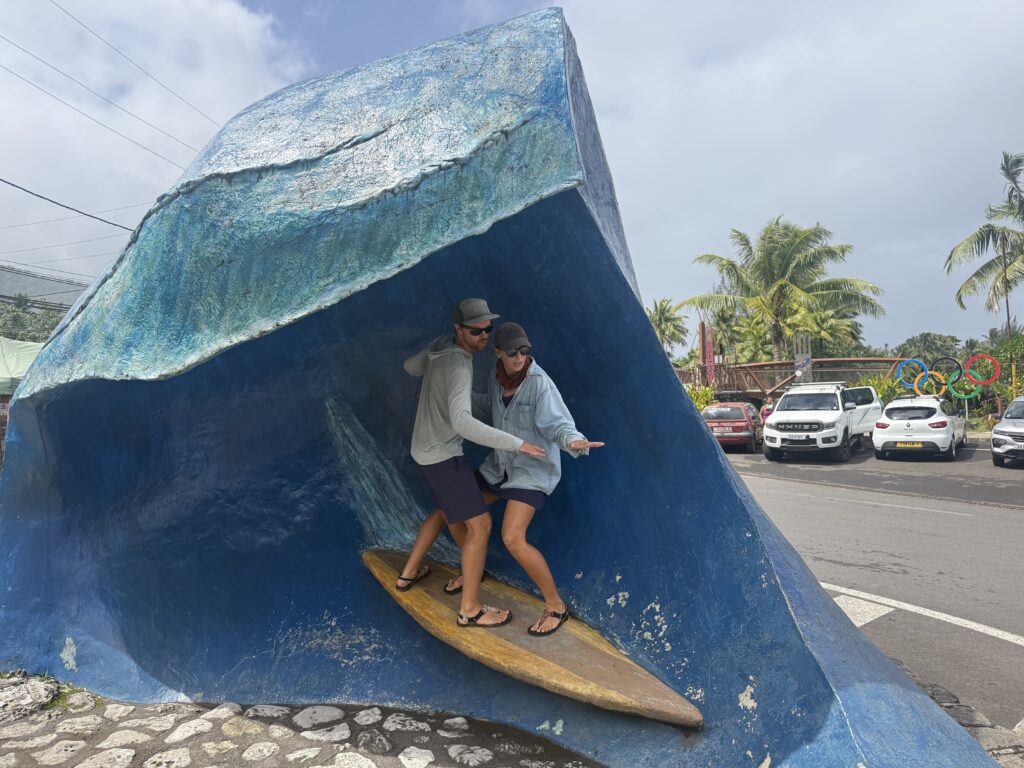
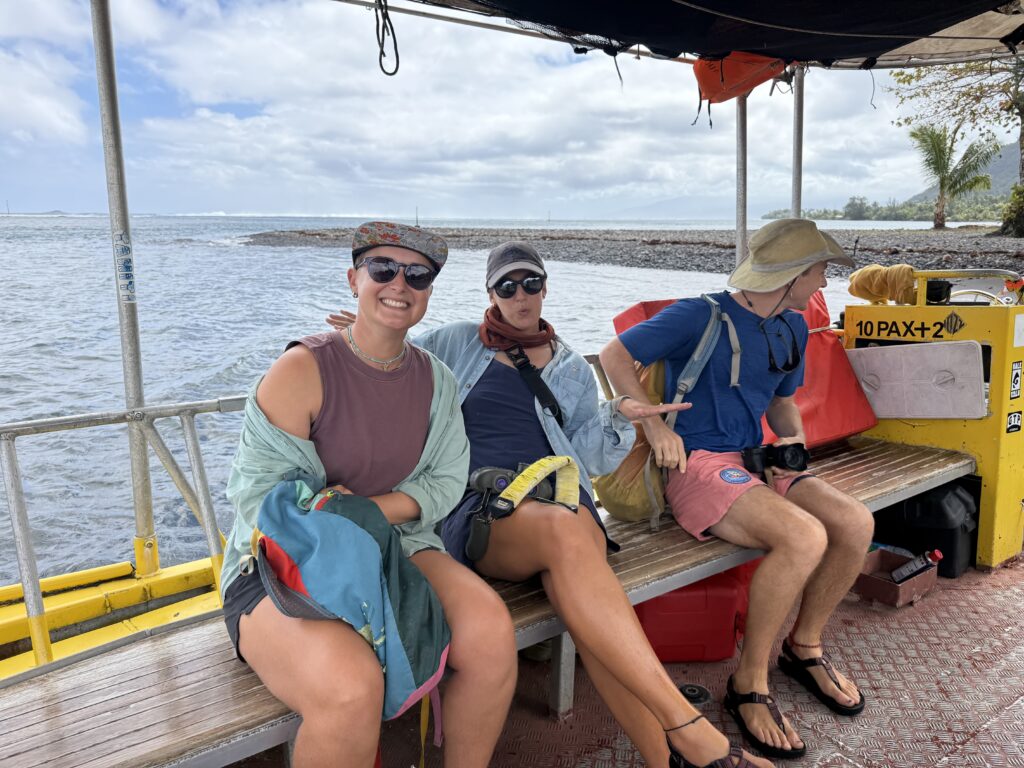
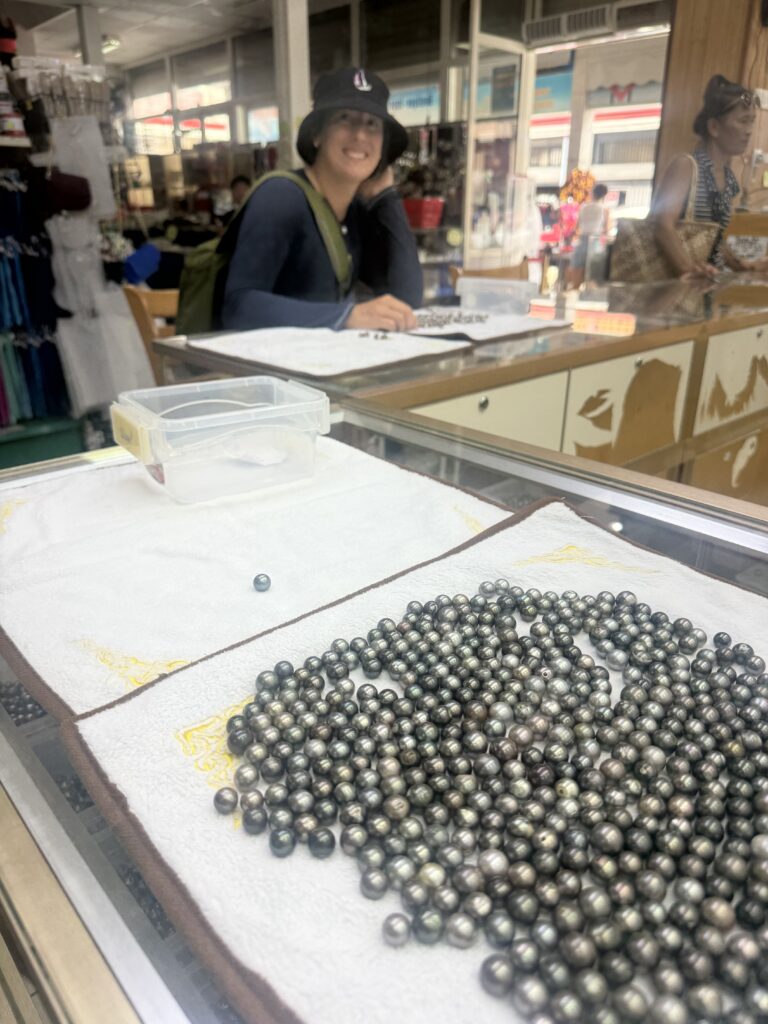
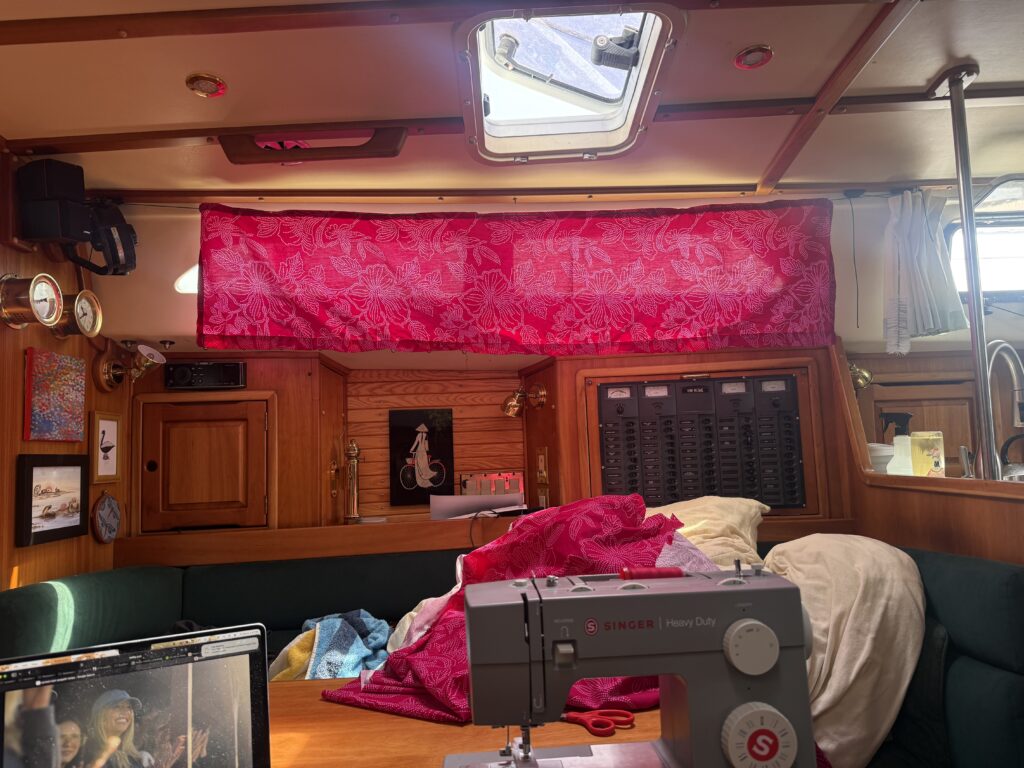
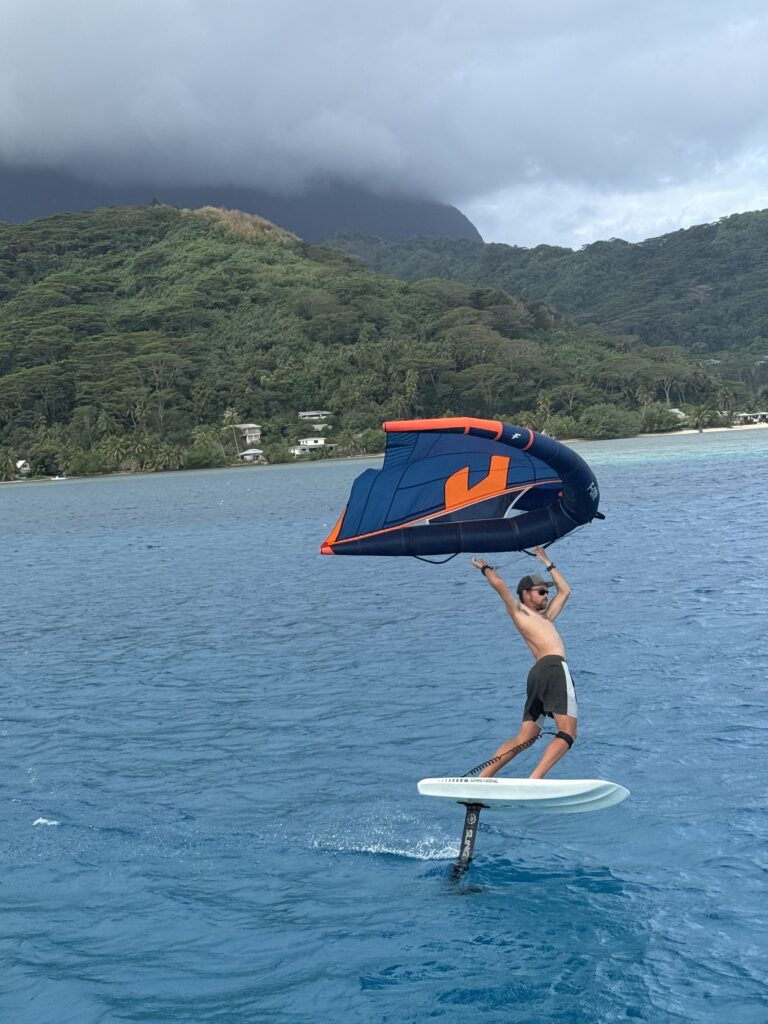
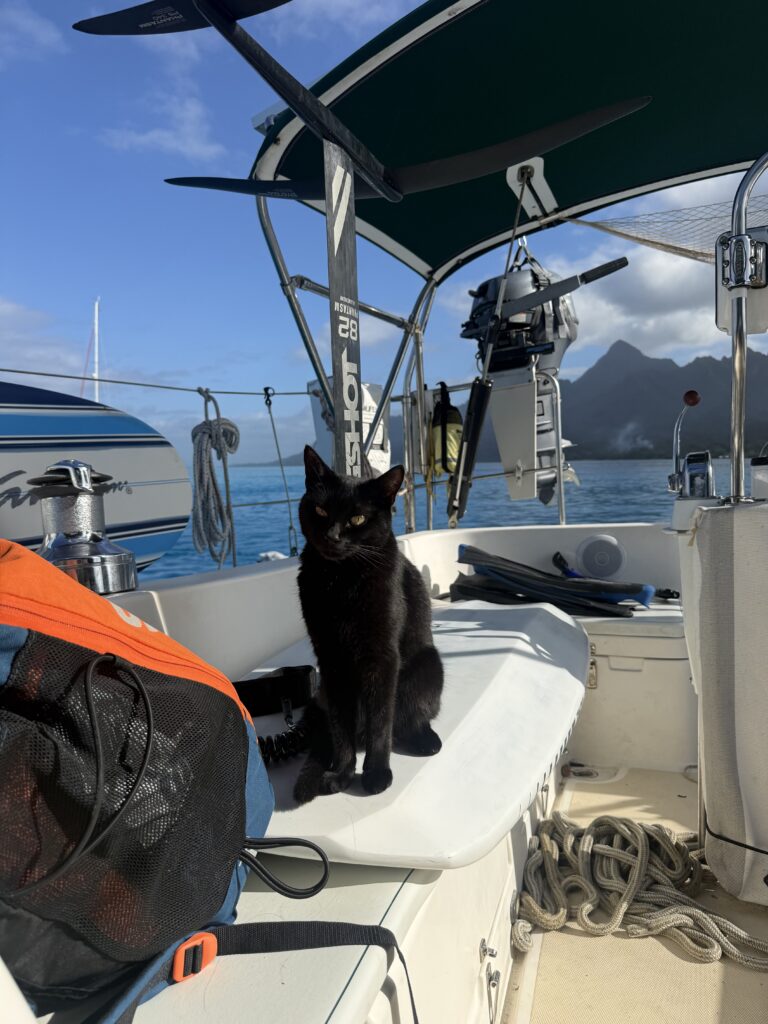
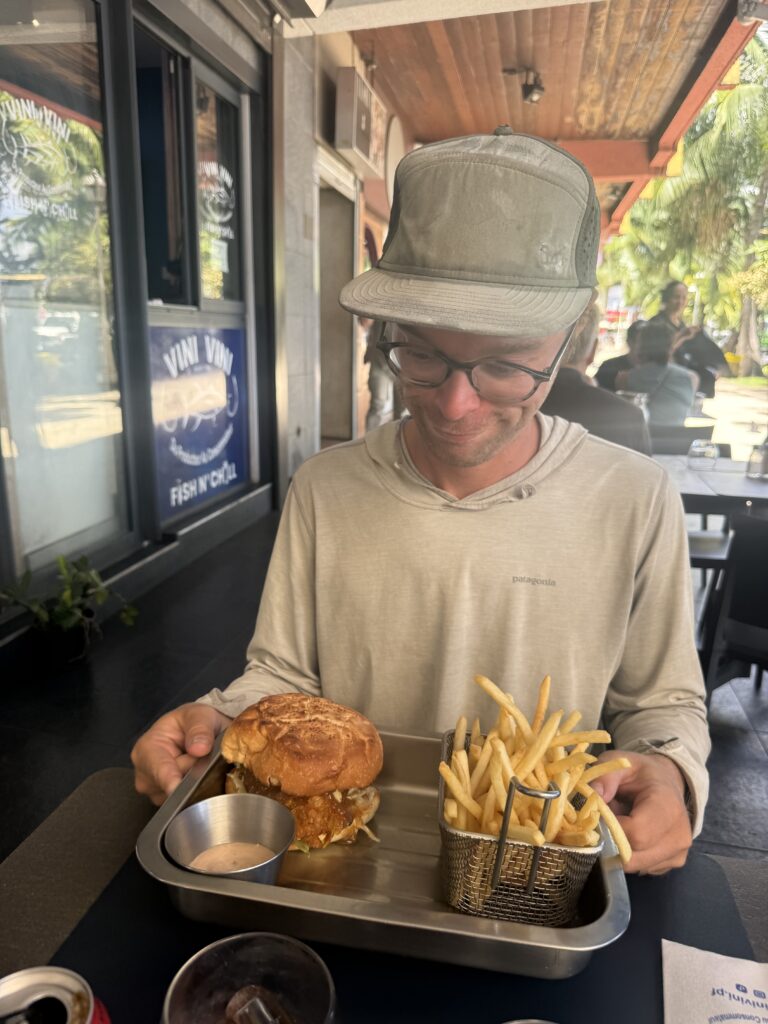
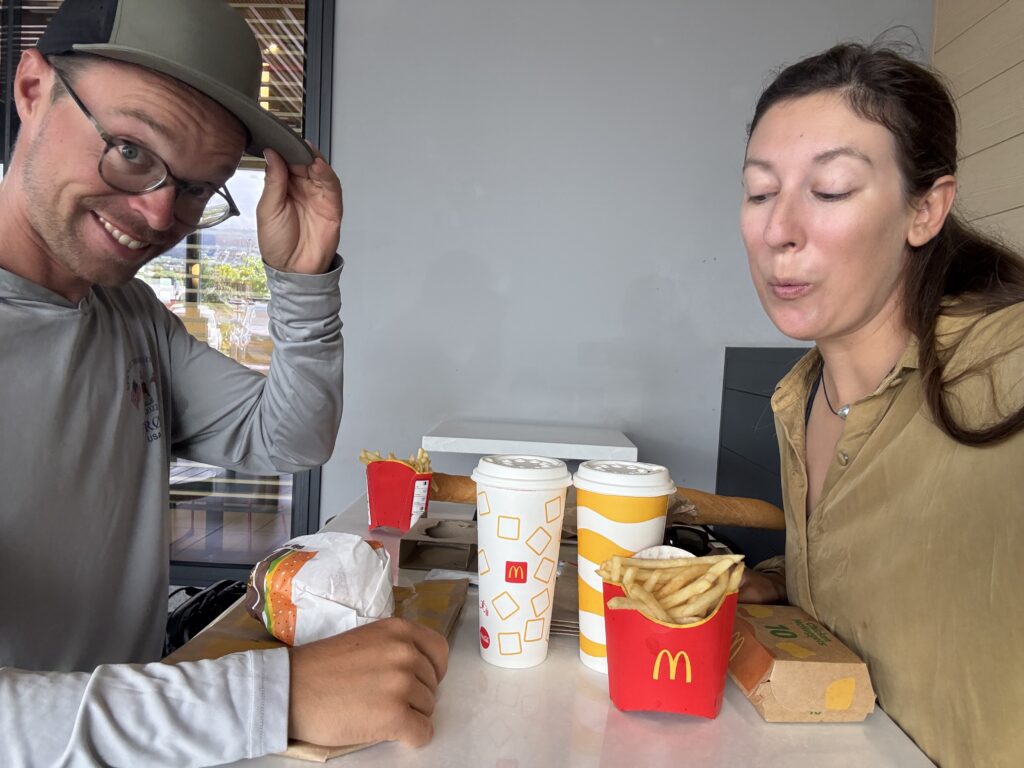
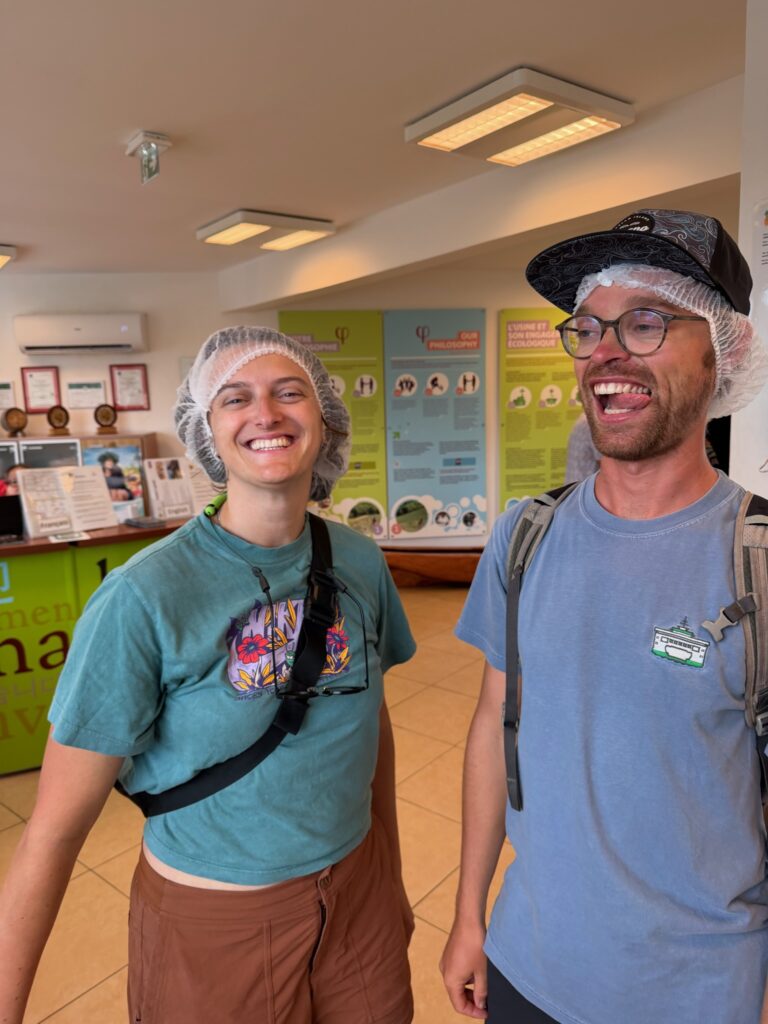
Tahiti is truly the land of plenty and a great place to tackle boat projects before heading west. It probably has whatever a sailor needs, as long as you’re willing to hunt for it. No stores have online inventories, so you start at one chandler in Papeete and, if they don’t have what you need, they send you to the next one. Repeat until you’ve spent three days wandering around Papeete. Thankfully, our efforts paid off. We repaired leaks, reduced freezer condensation, bought fabric for curtains, replaced our dinghy fuel line and oil drain screw, replaced the electric motor brushes in our watermaker, repaired the vang collar, and purchased a ton of pearls.
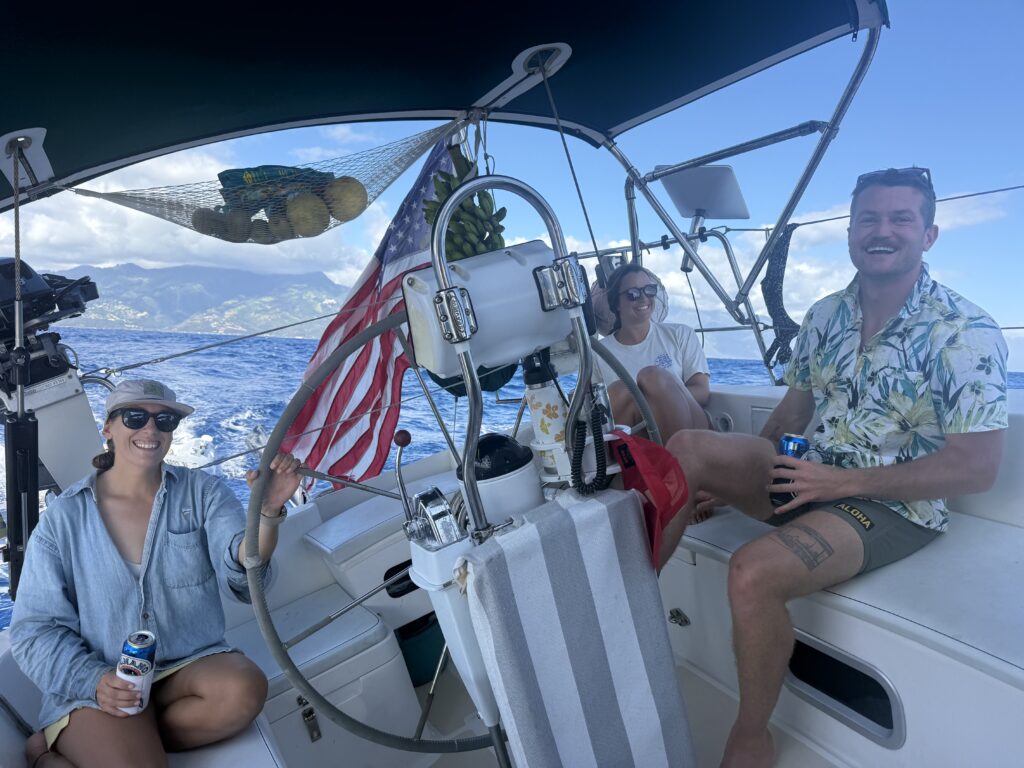
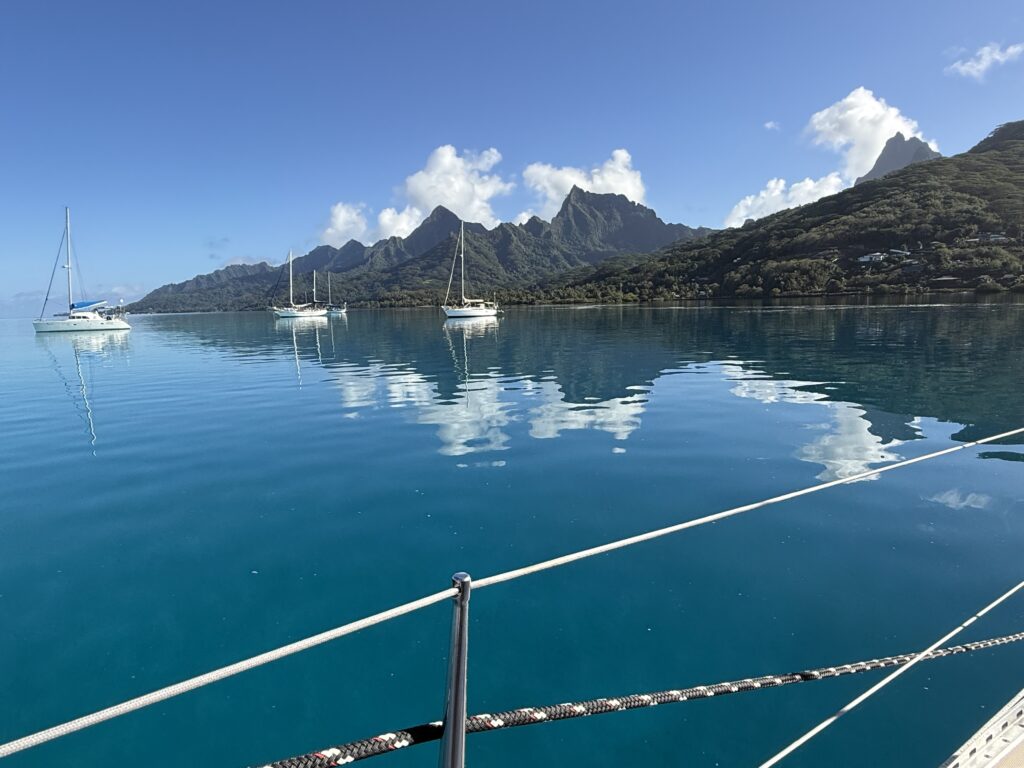
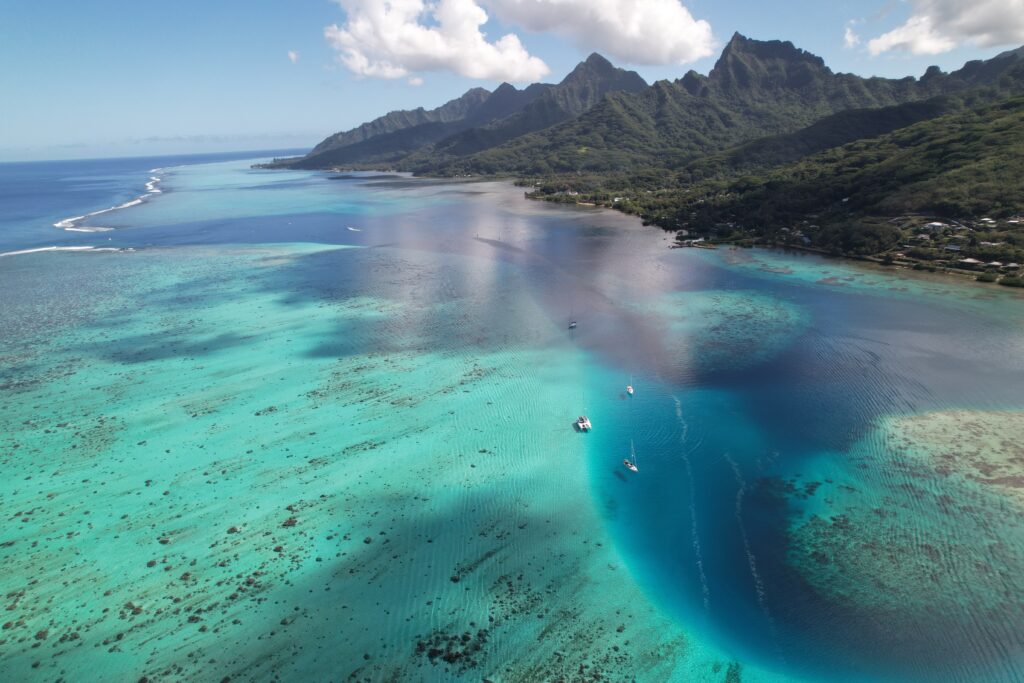
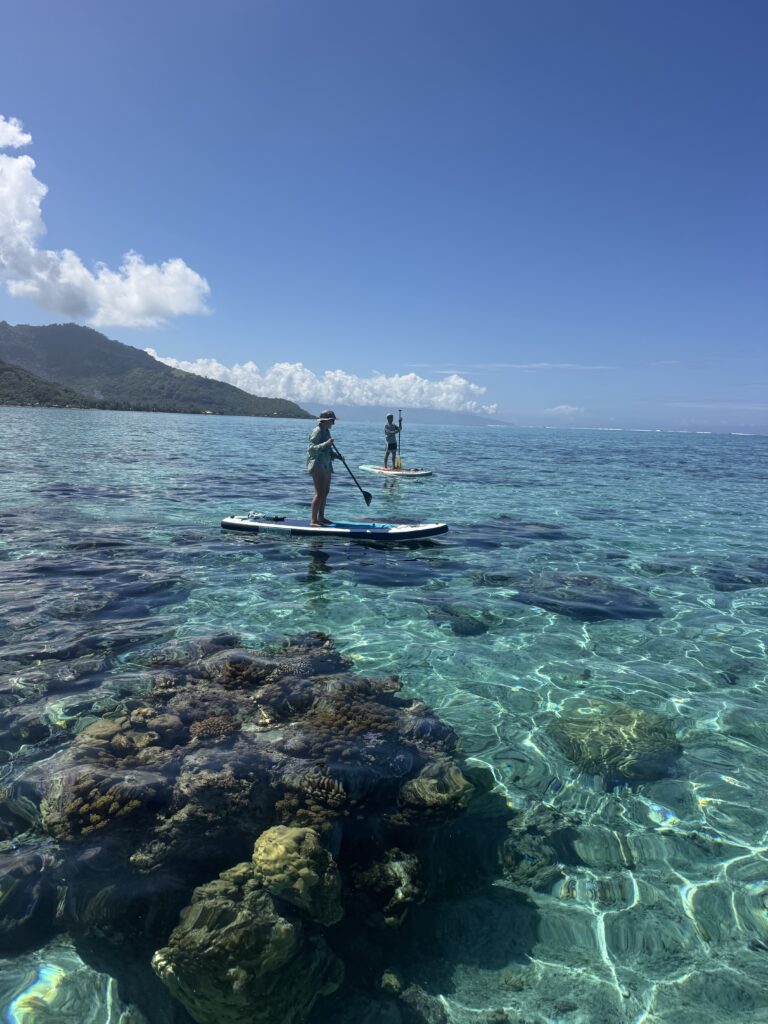
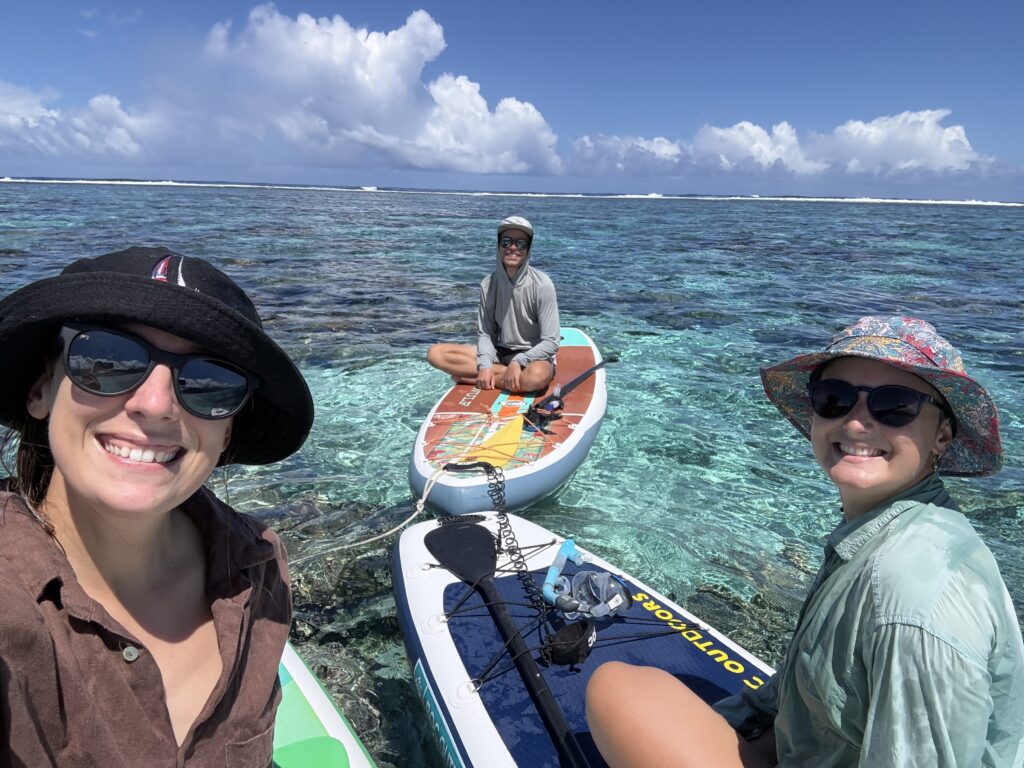
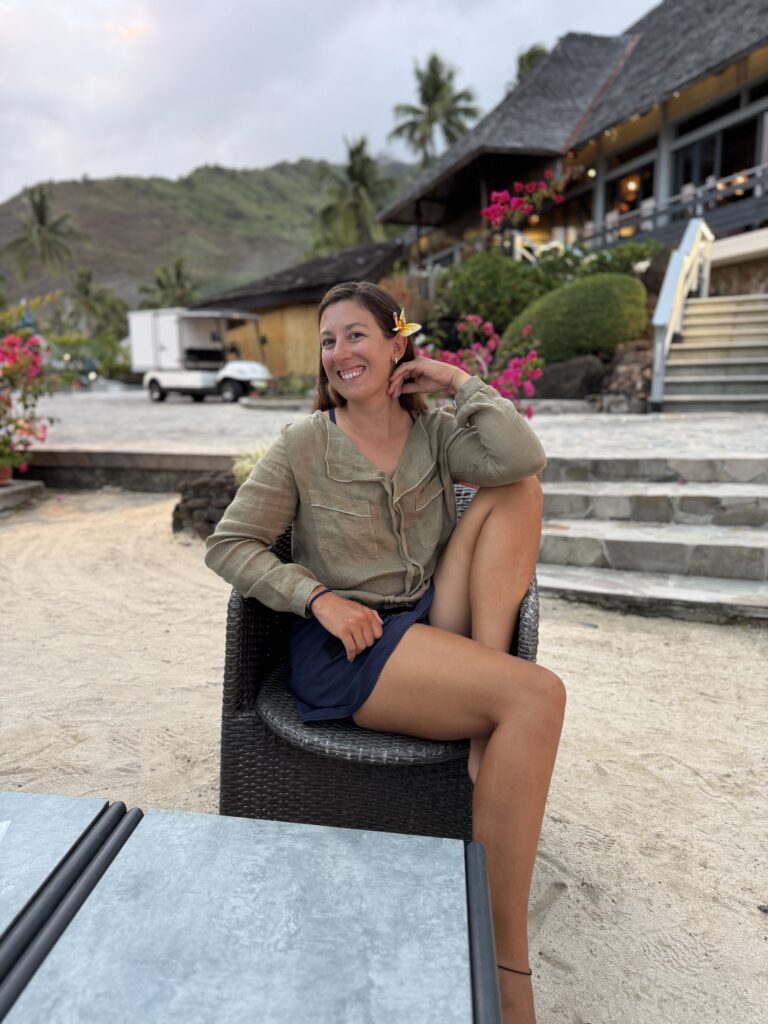
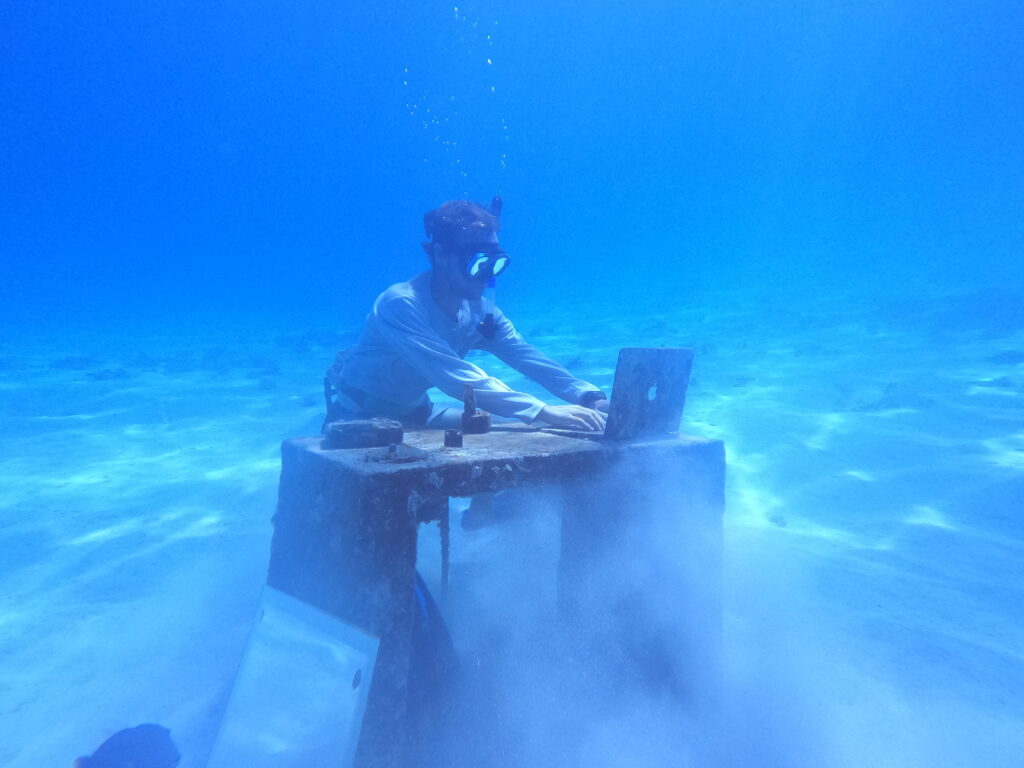
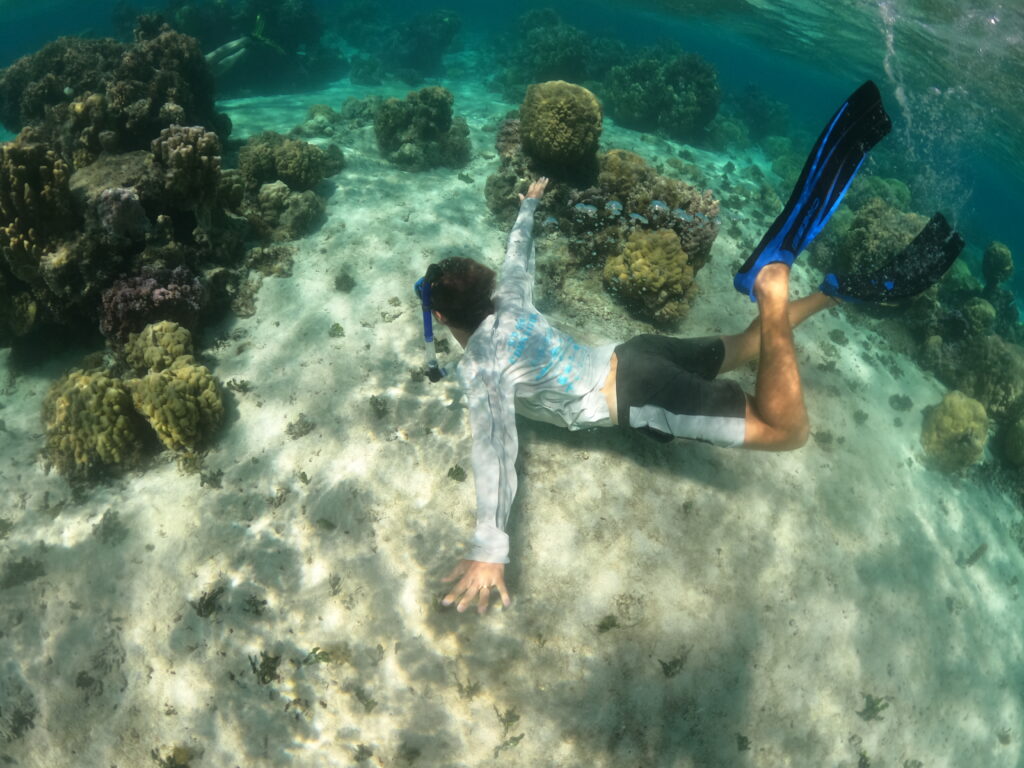
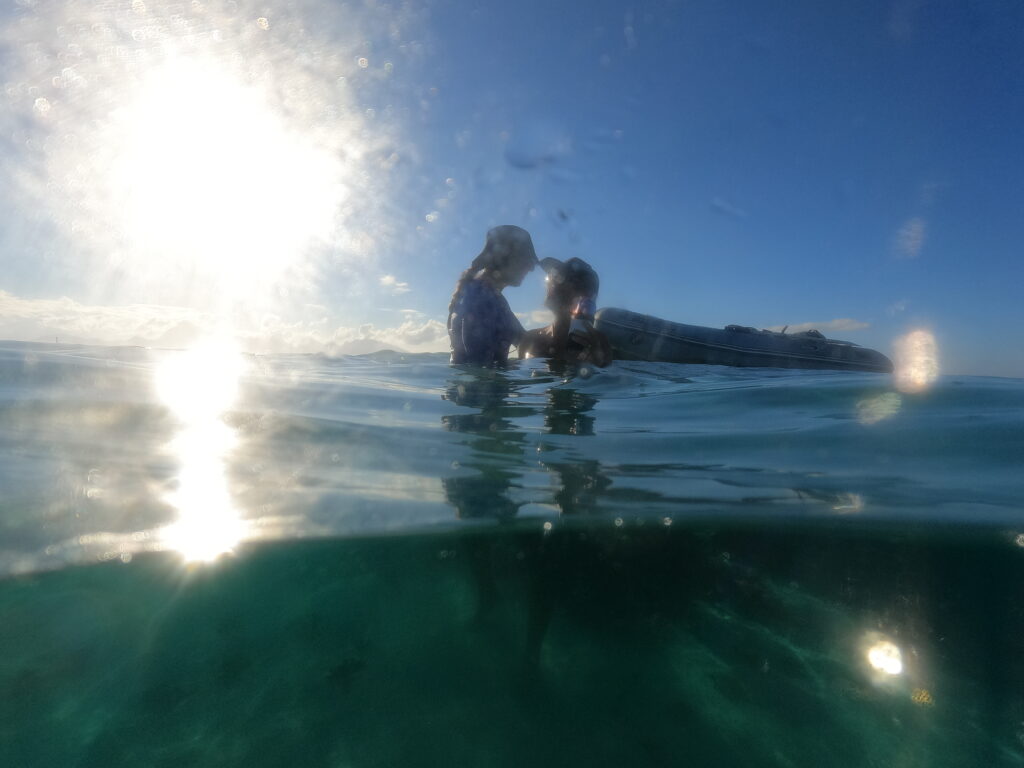
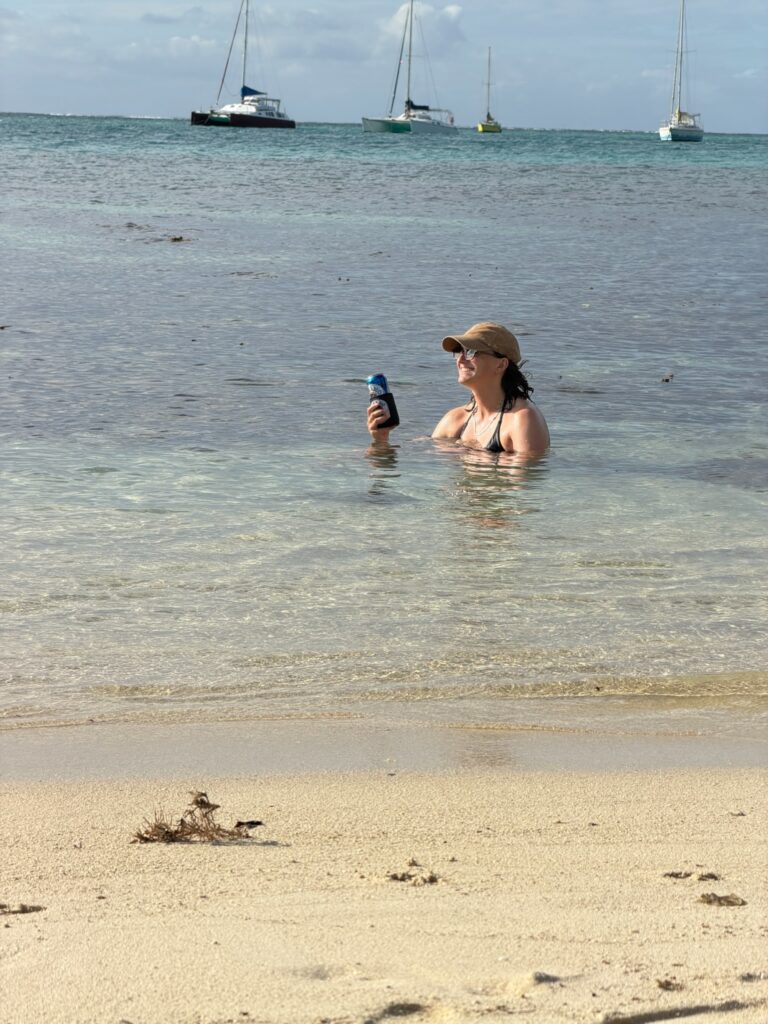
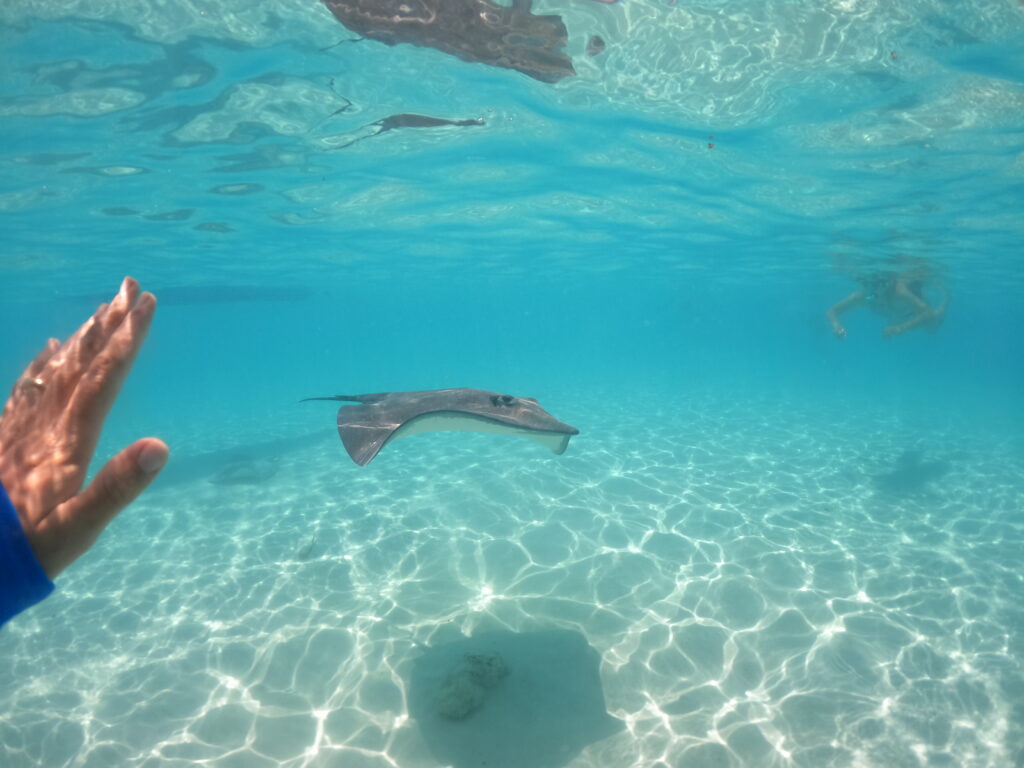
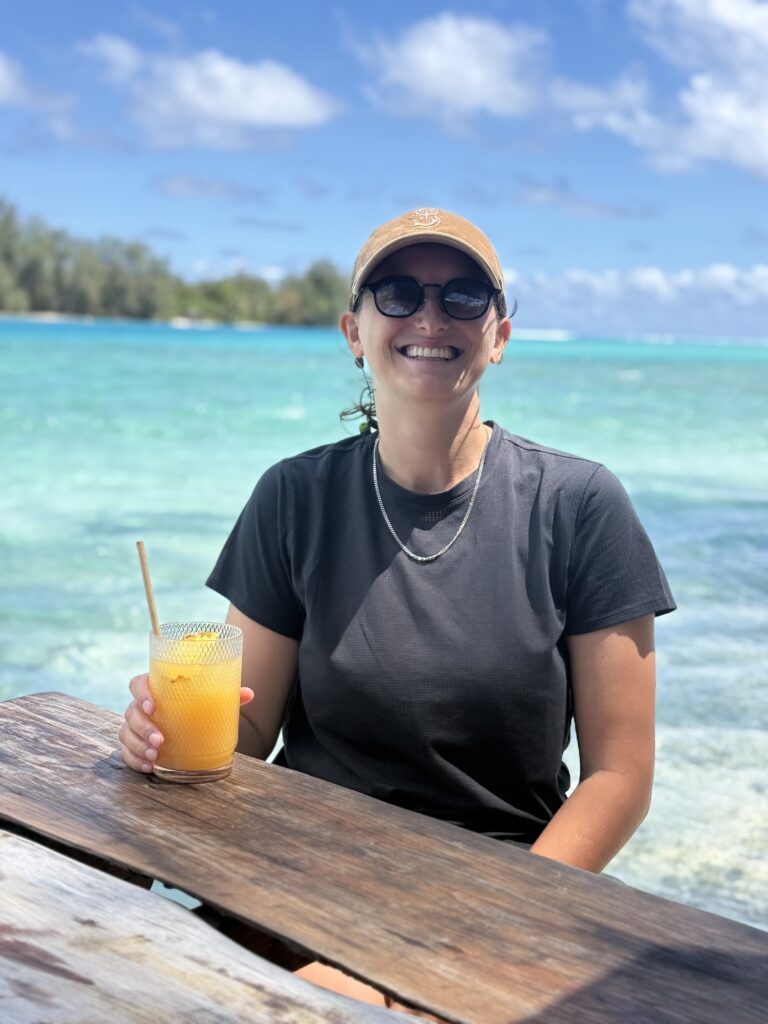
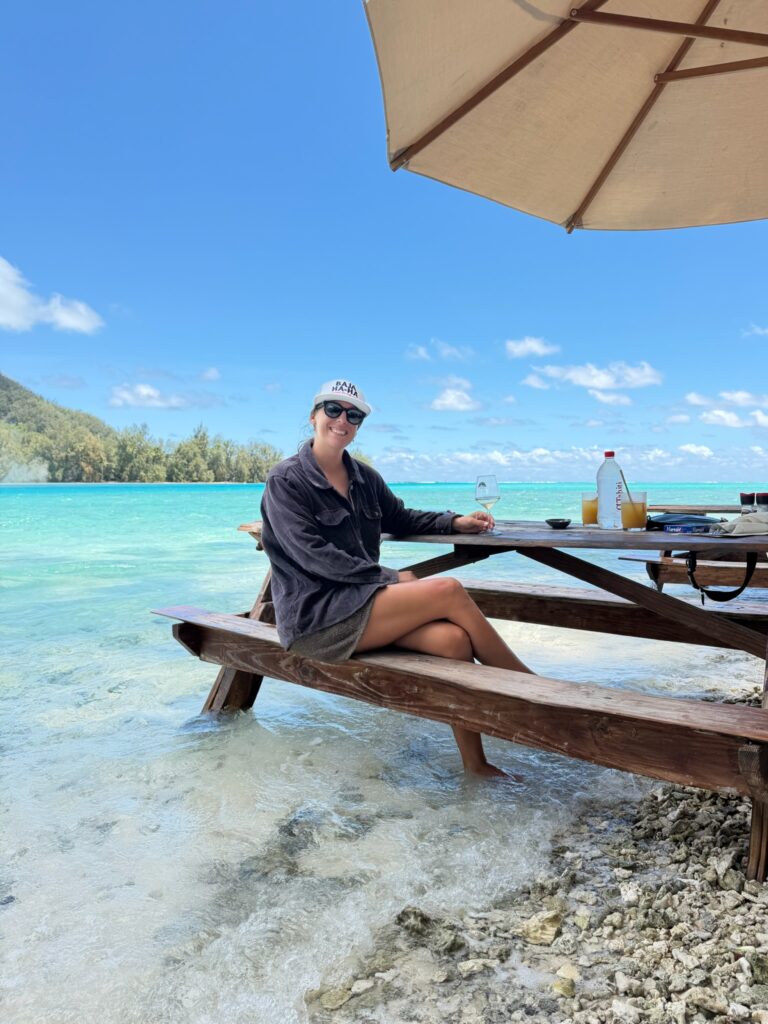
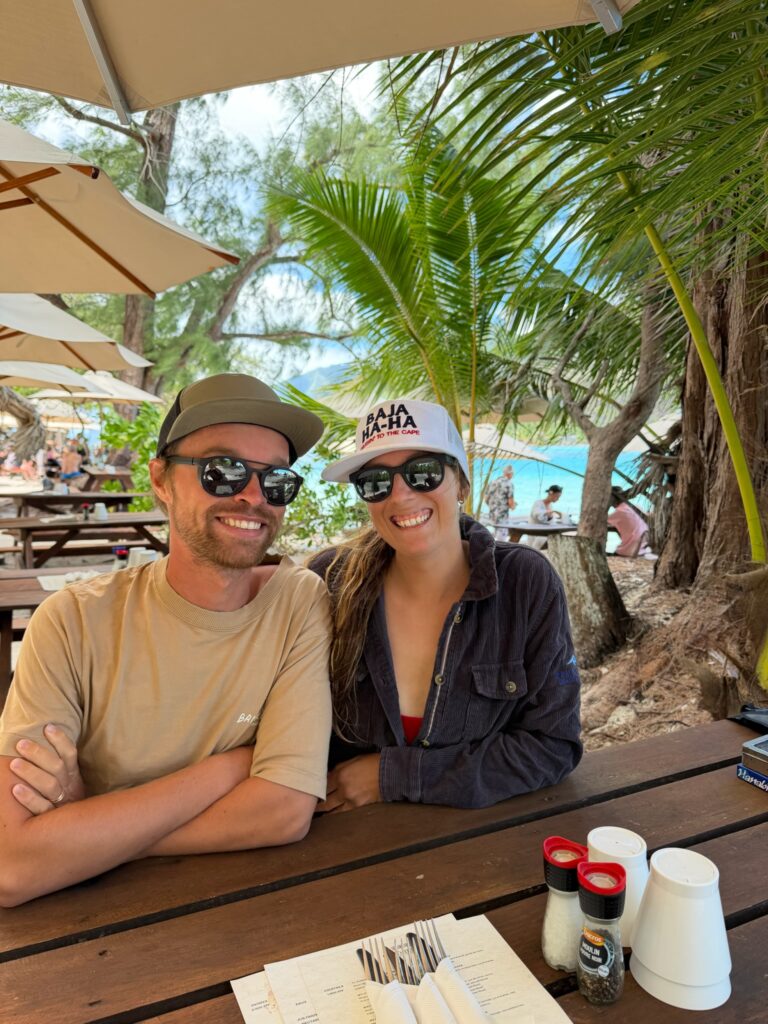
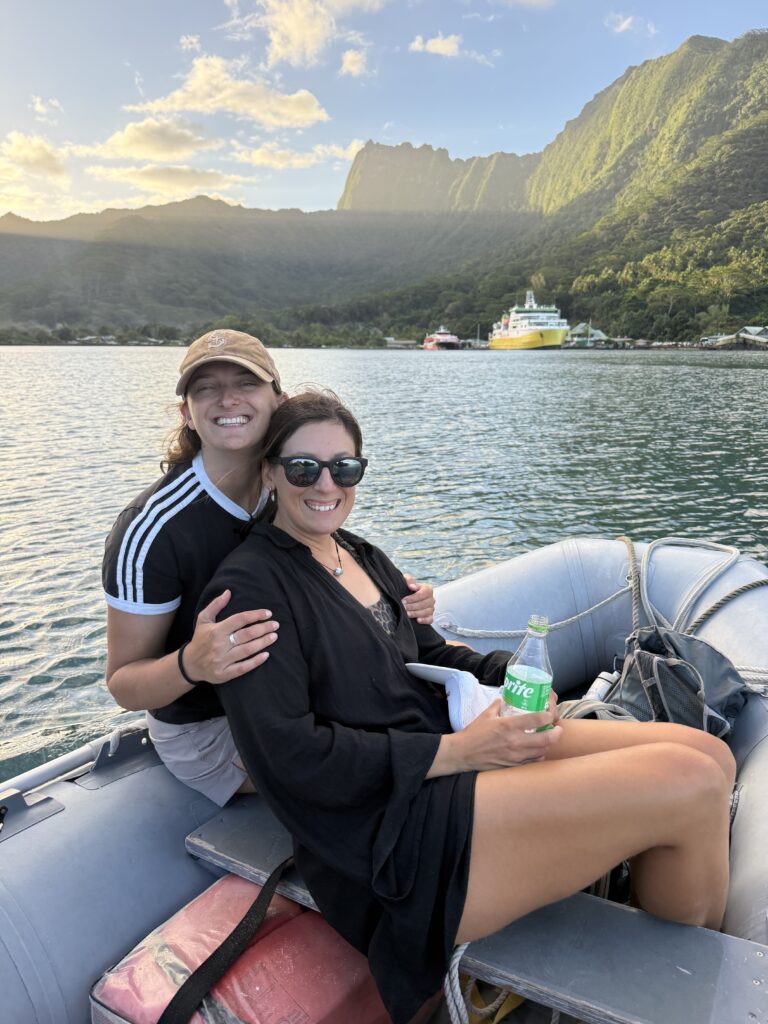
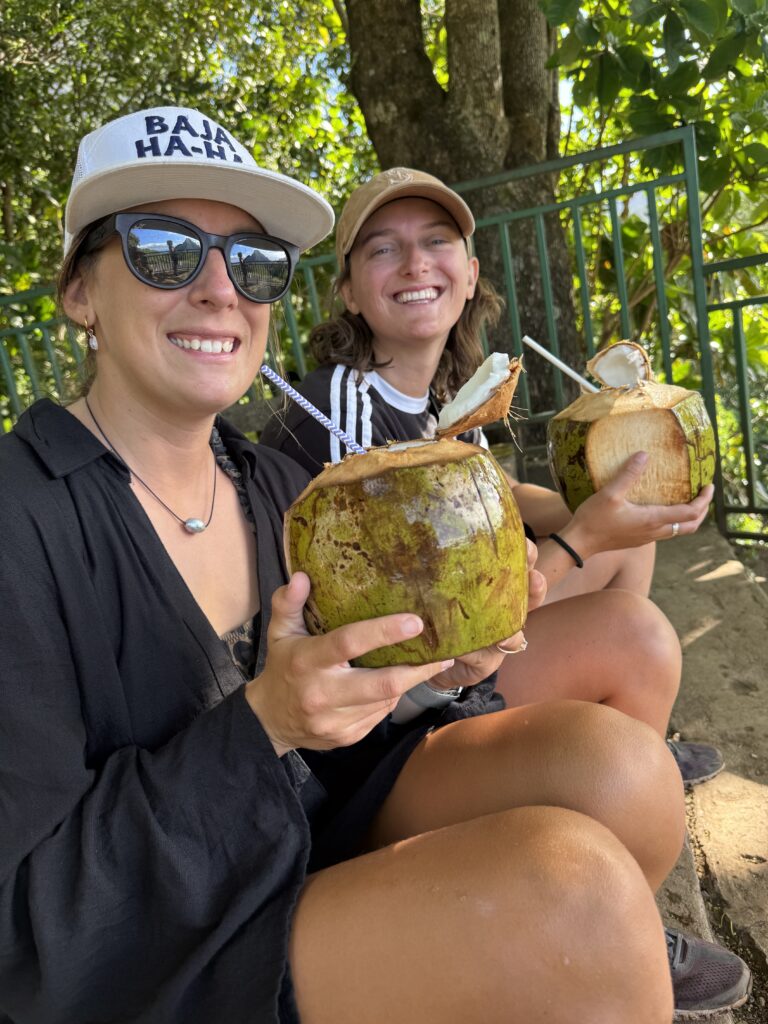
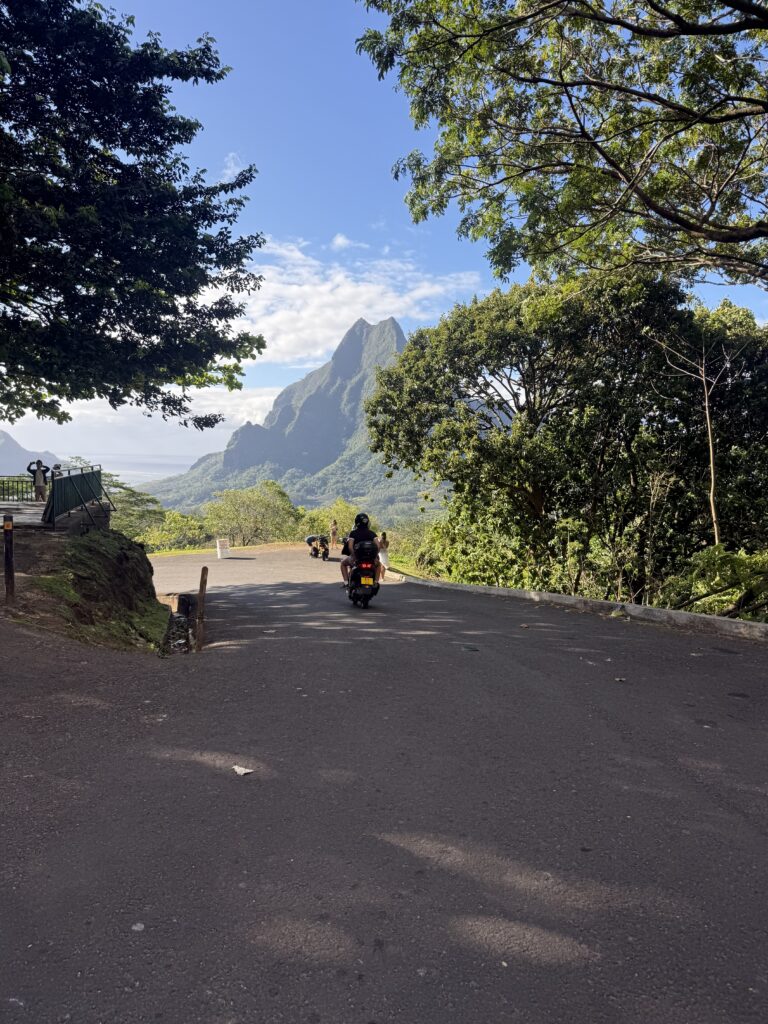
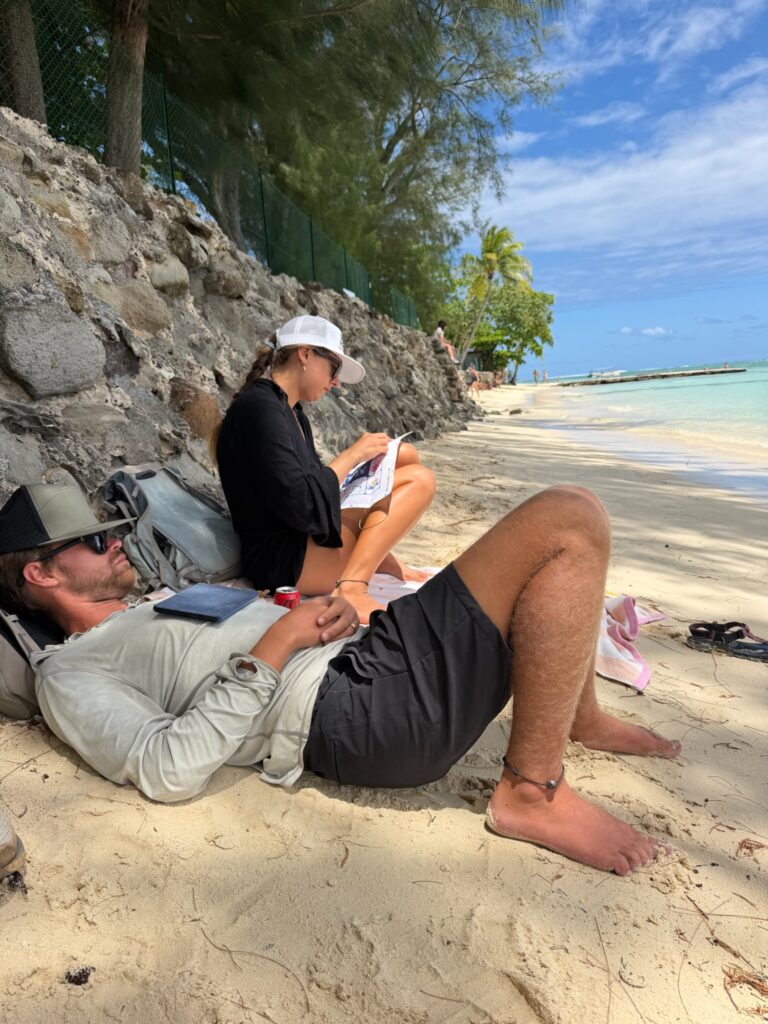
With a major airport nearby, we also squeezed in visits from two friends, bouncing back and forth between Tahiti and Moorea to see Colton and Hailey, then Amy. After all the boat projects, it felt like we were on vacation. We hit happy hours, hung out on sandbars, circumnavigated Moorea by sail & scooter, and ended each night watching either Hacks or Below Deck (the Tahiti season, of course).
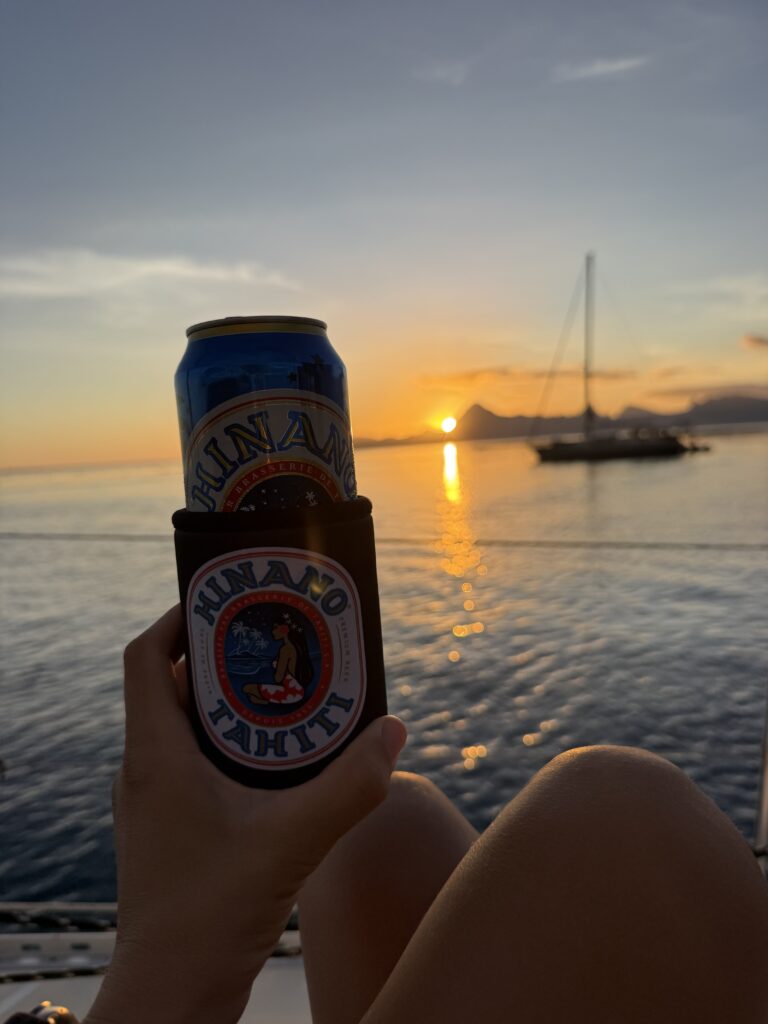
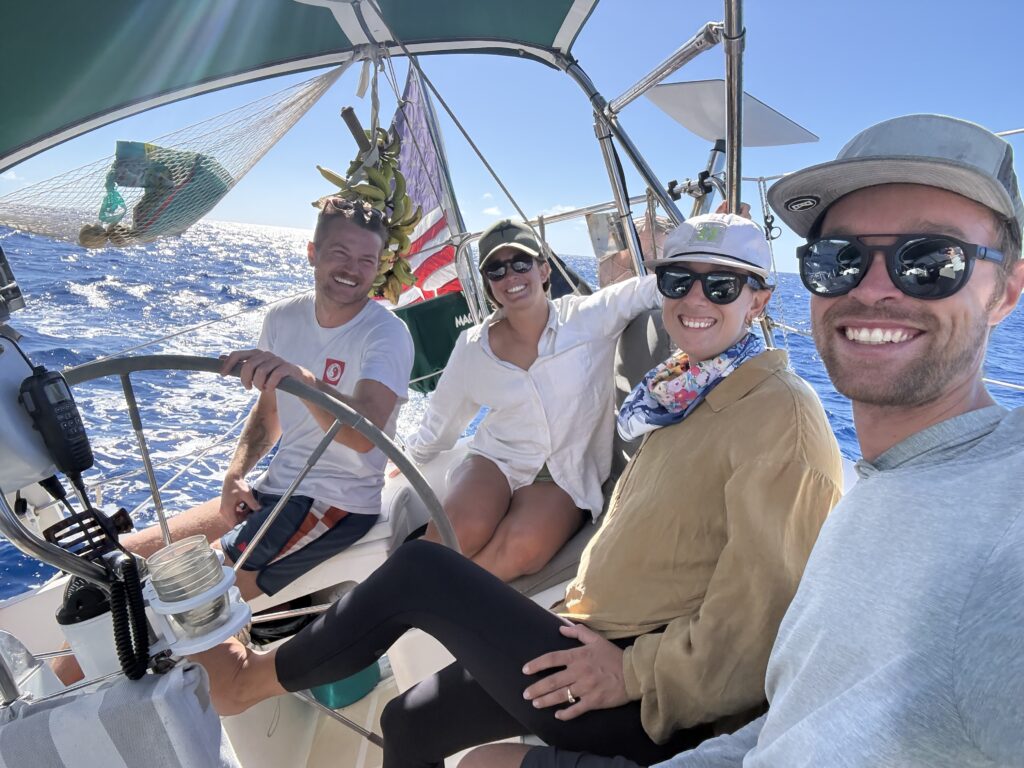
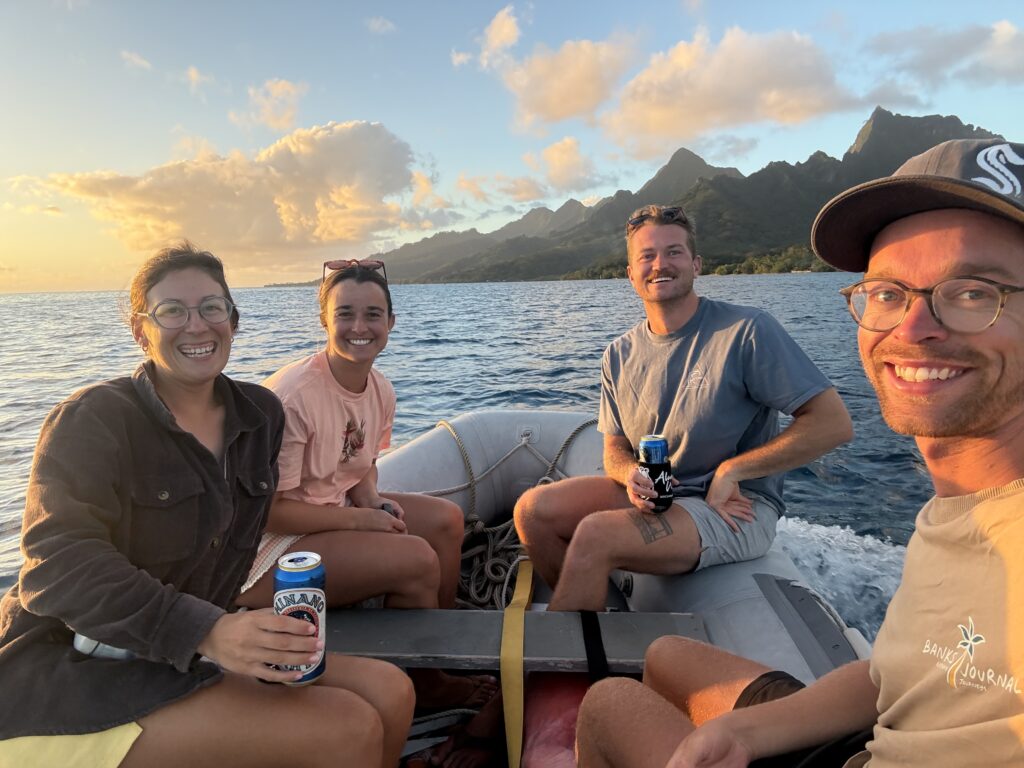
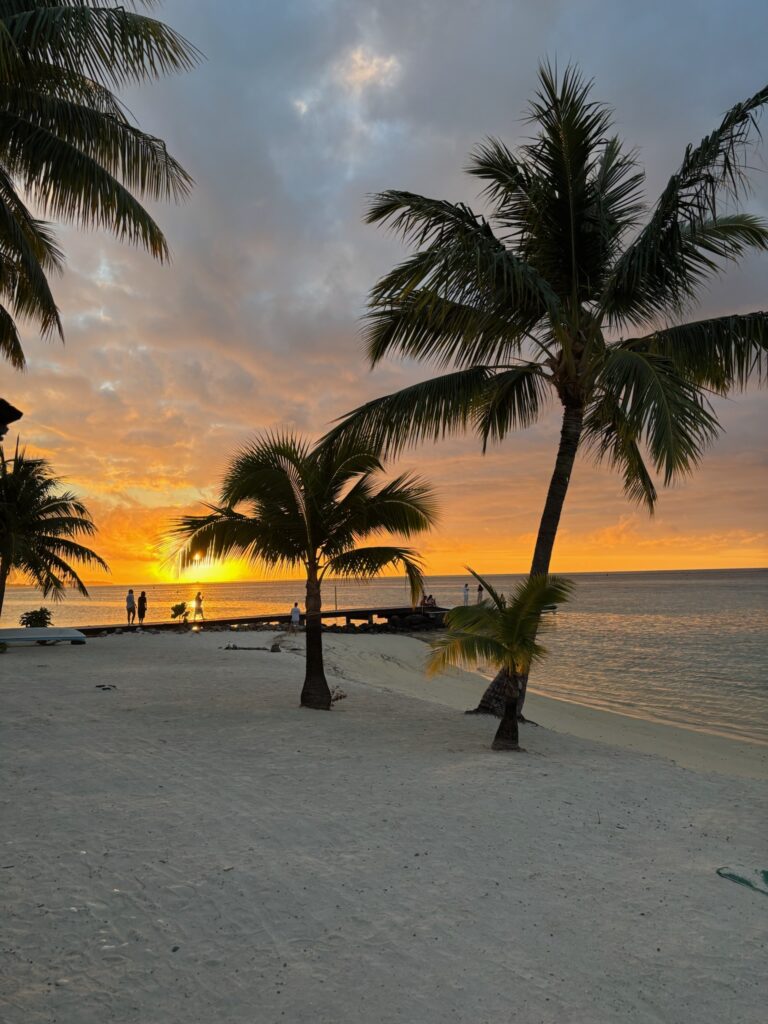
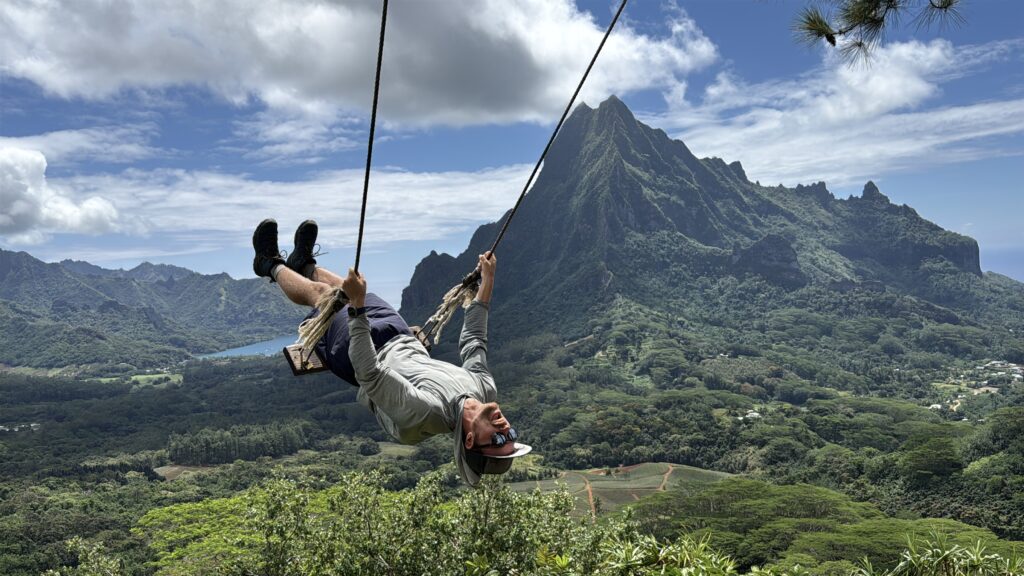
One highlight was swimming with the humpback whales that migrate north from Antarctica each year to give birth and raise their calves before making the long journey back south. We lucked out with incredible conditions, almost no swell and no wind. We boarded the tour at 7 AM and within an hour we were in 200’ of water listening to a male singing in the murky water beneath us. We couldn’t see him, but we could feel his song vibrating through our chests. It made me think of ancient mariners telling stories of sirens in the deep. Maybe they were just being serenaded by a young male.
On the south end of Moorea, we came across a pod of pilot whales resting at the surface and decided to jump in. The pilot whales were relaxing on the surface, but I was on edge because I knew oceanic whitetips sometimes hang around them, feeding on their scraps and turds. While watching “Da Boss” of the pod, I spotted a shadow out of the corner of my eye. I grabbed Mason’s arm and froze upright in the water. I didn’t want to turn my back or swim away and look like prey. We’d gotten pretty comfortable around reef sharks in the Tuamotus, but the thought of sharks that hunt larger marine animals sent my heart into another dimension.
Mason was trying to pull me back toward the boat while I kept saying, “Stay next to me, stay next to me,” hoping we’d look more intimidating together. The curious shark came in close enough that we could have kicked it with our fins. I was getting ready to push it away with the GoPro (hence the sudden loss of focus in the footage) when it finally veered off. We slowly swam back to the boat, my heart still pounding.
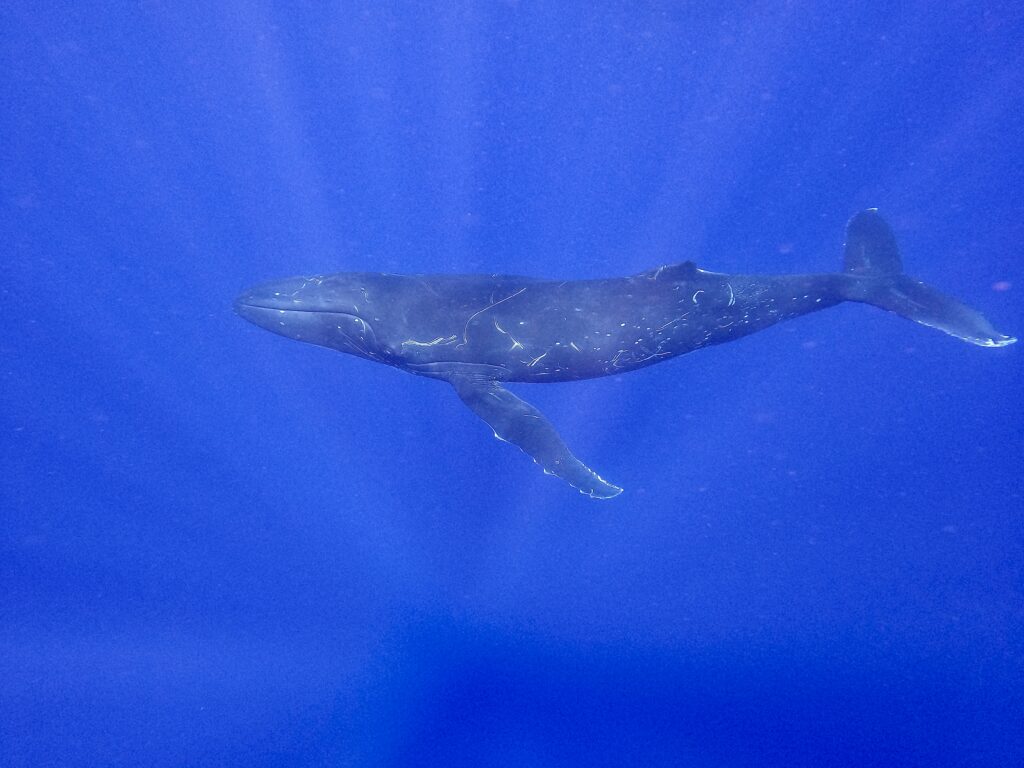
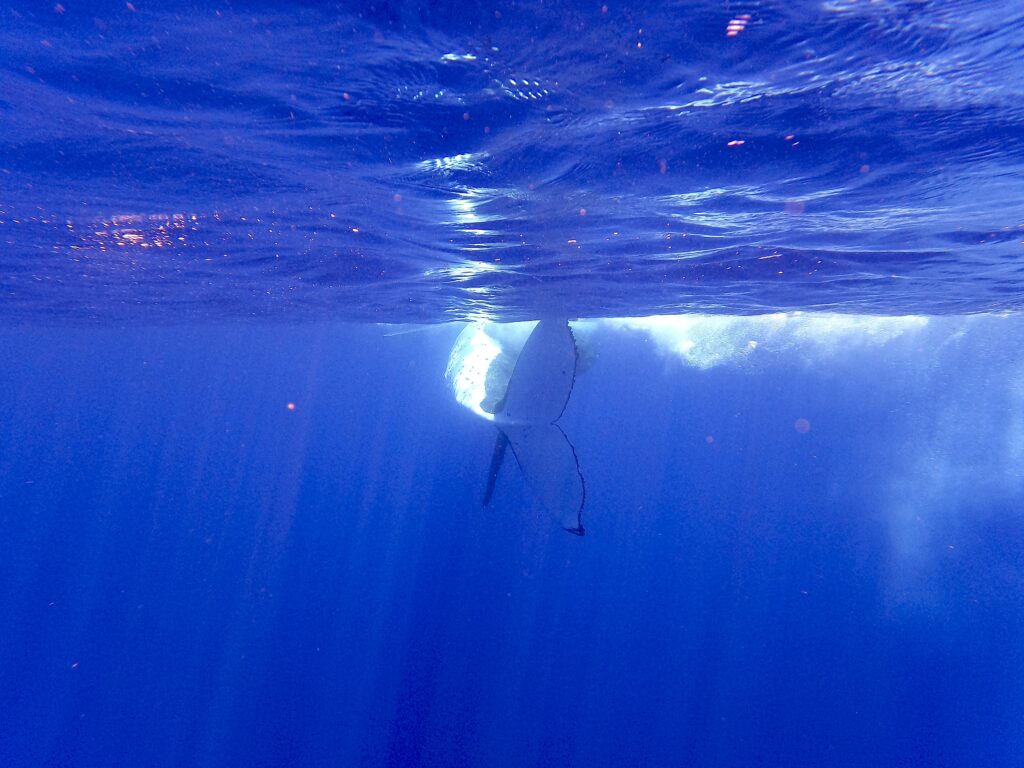
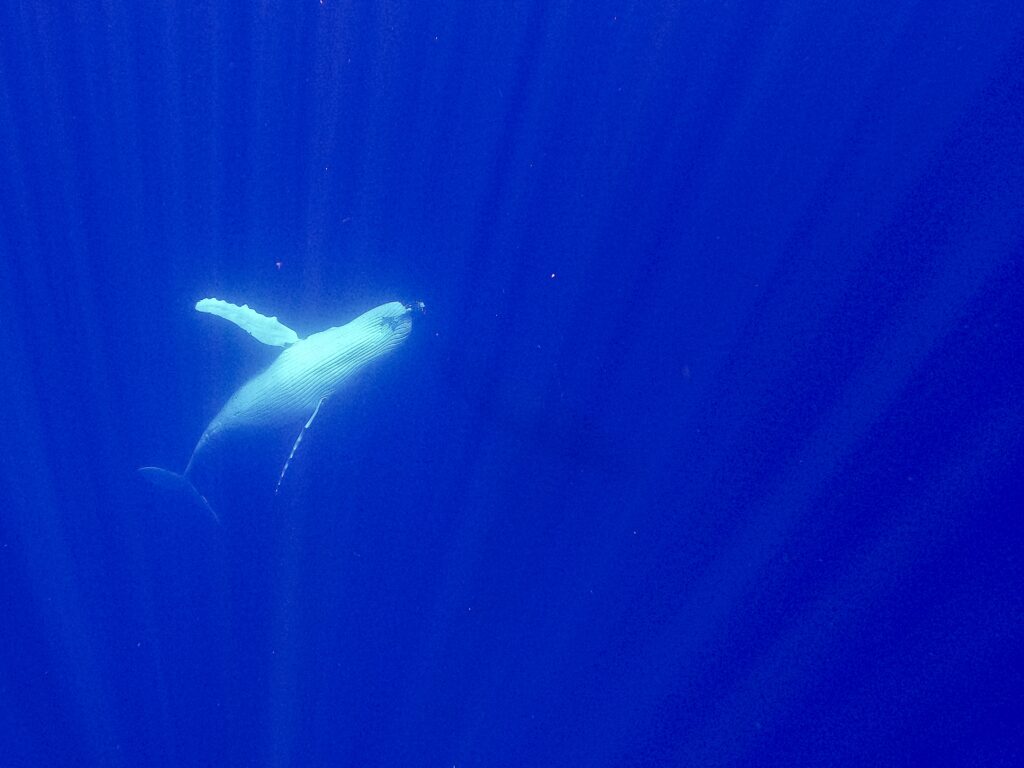
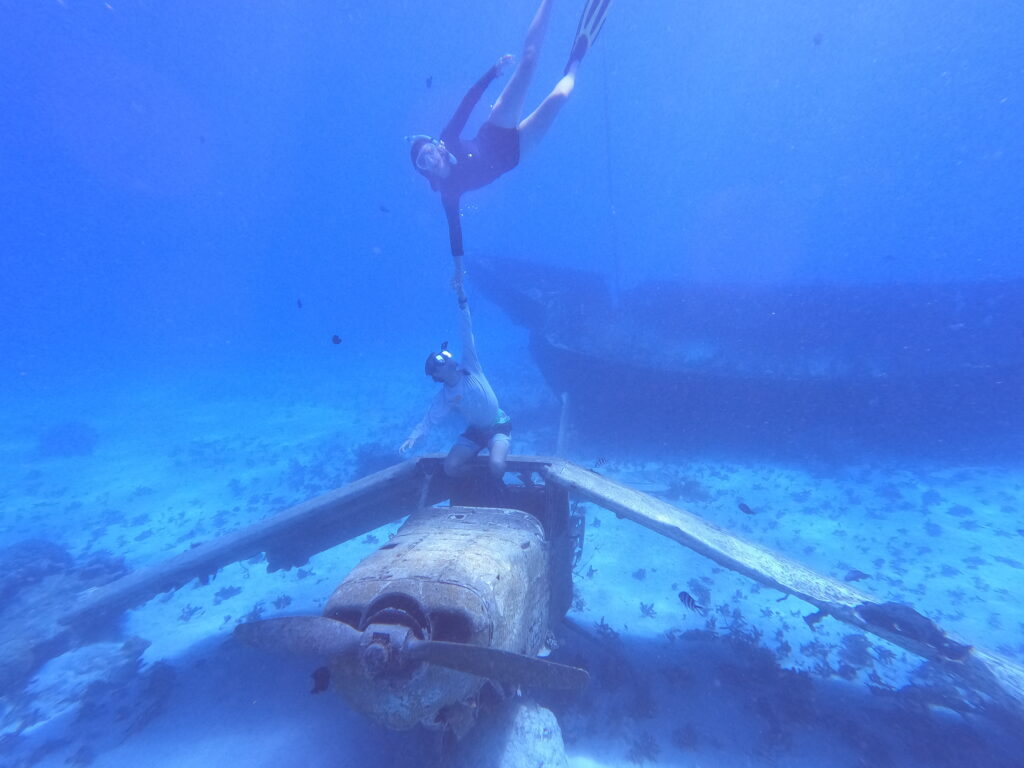
After that interaction, for some reason, I relaxed around the sharks. My vertical stance and GoPro poking stick made me invincible! More likely, it was because our guide, Poema, went on the defensive. Boat hook in hand, she kept three oceanic whitetips at bay as two humpbacks joined the pilot whale pod. The whales were incredibly graceful, but also a bit derpy in their preferred underwater positions: head down with their tails sticking out above the surface, or 20 feet down, belly up and frozen like a stretched-out cat sunbathing, but underwater. Mason loved when they rolled over to show us their pleated white bellies. Seeing them up close in their element was a real privilege. We didn’t see any babies, but I guess that means we’ll just have to come back one day.
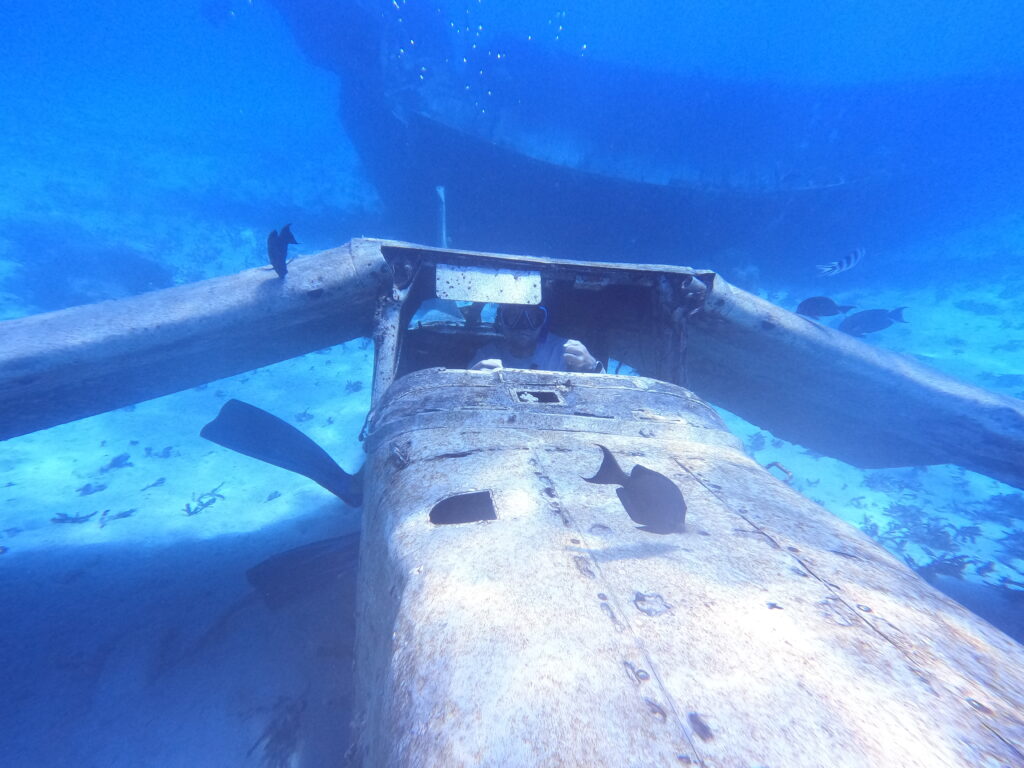
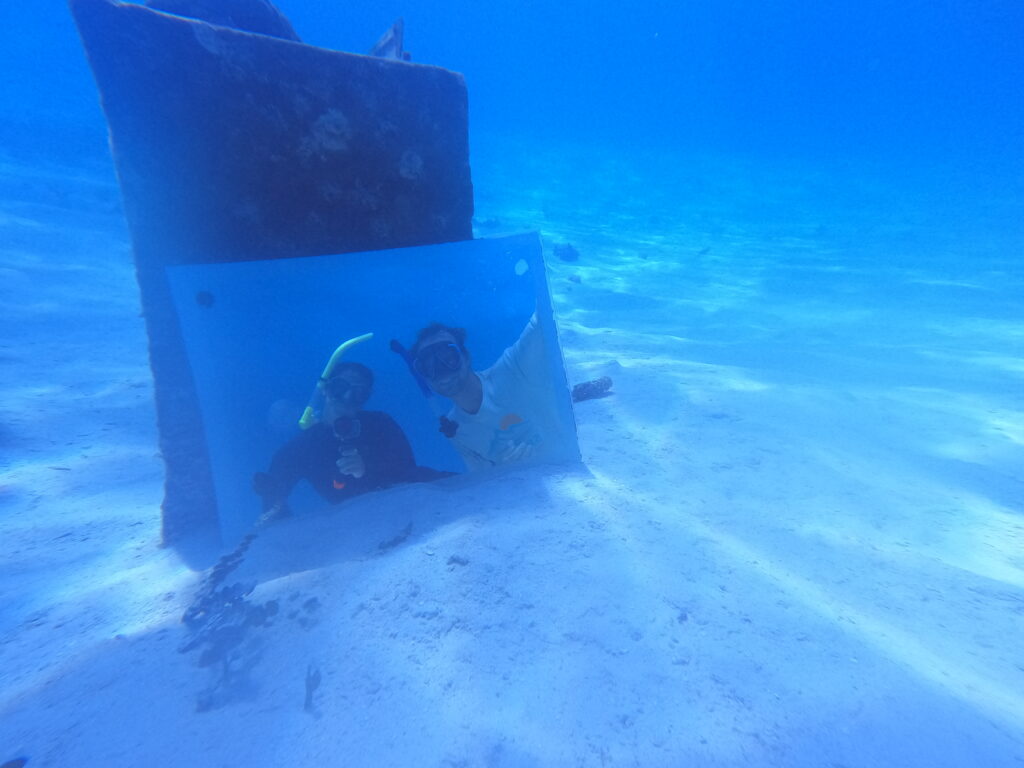
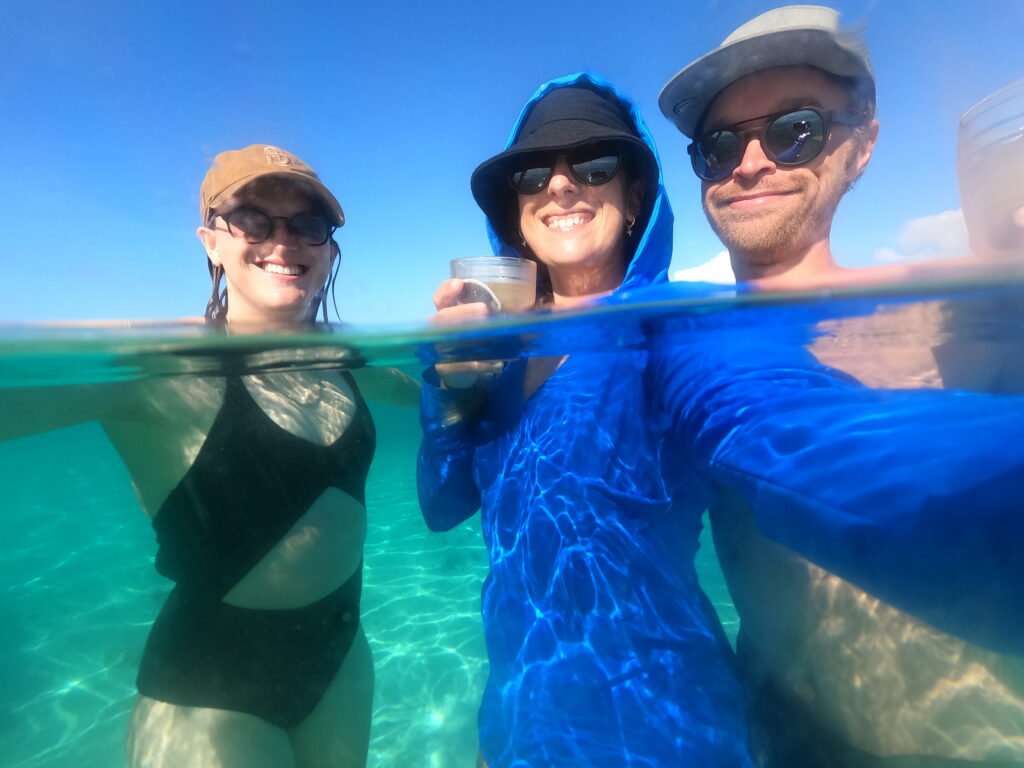

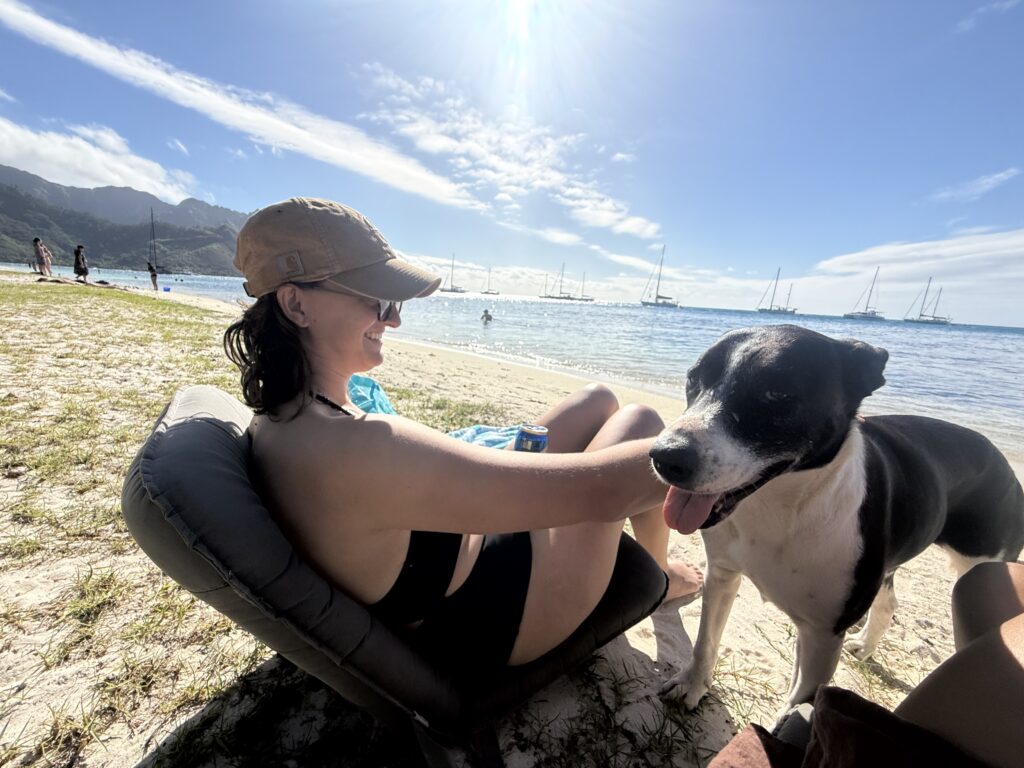
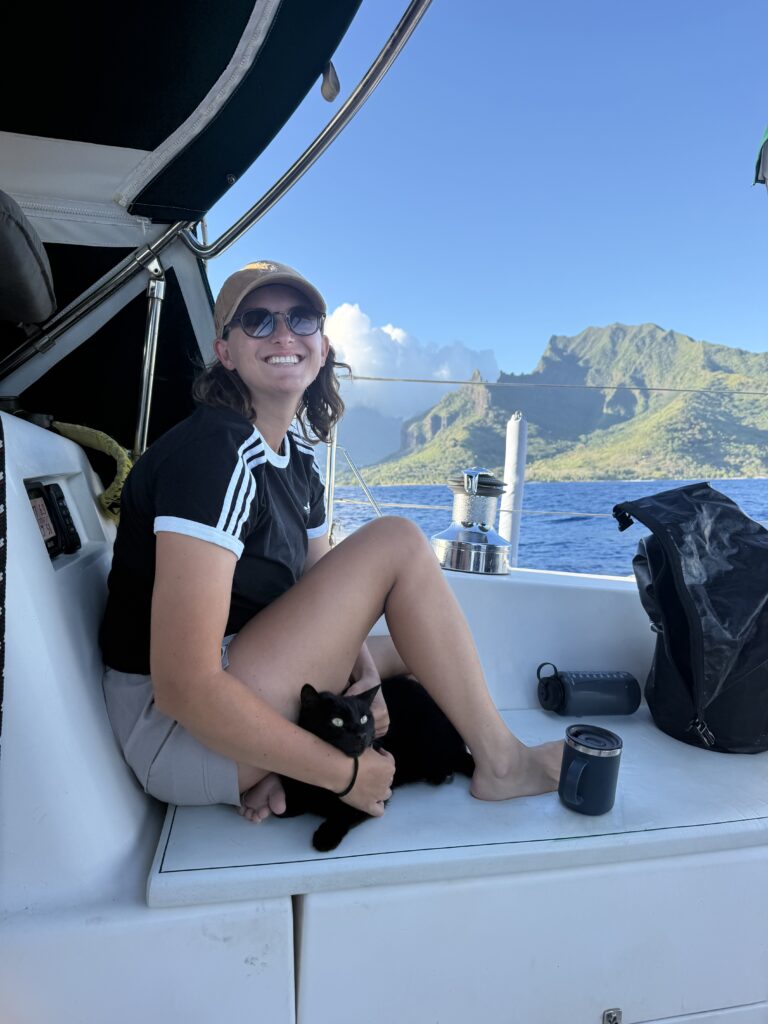
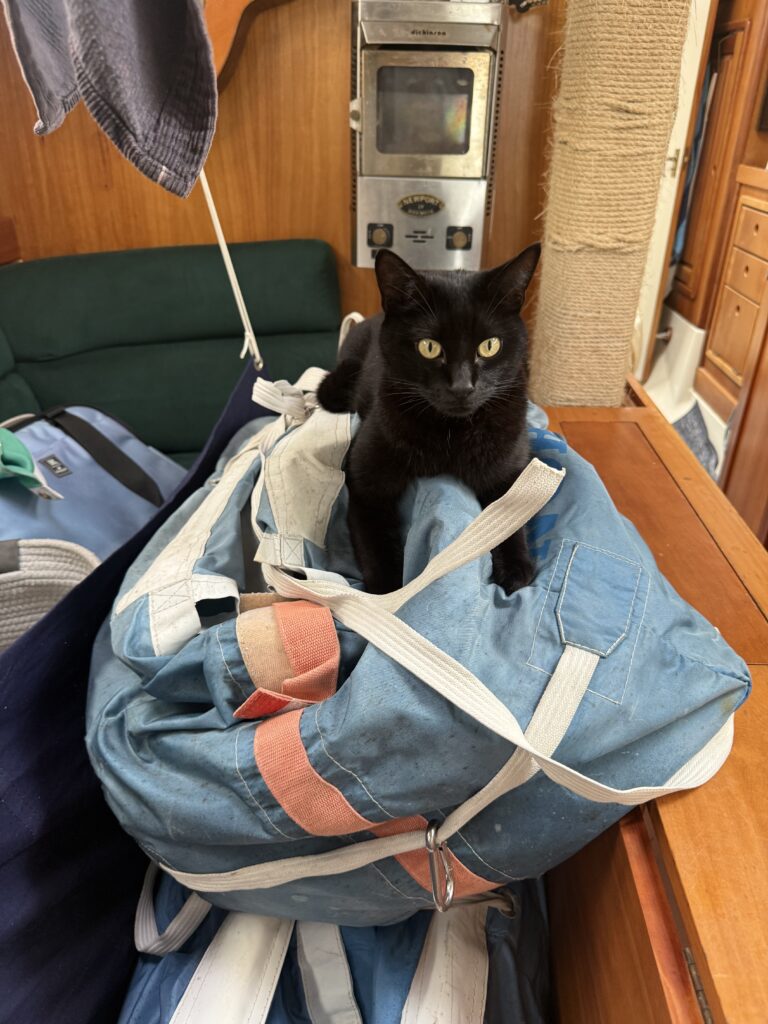
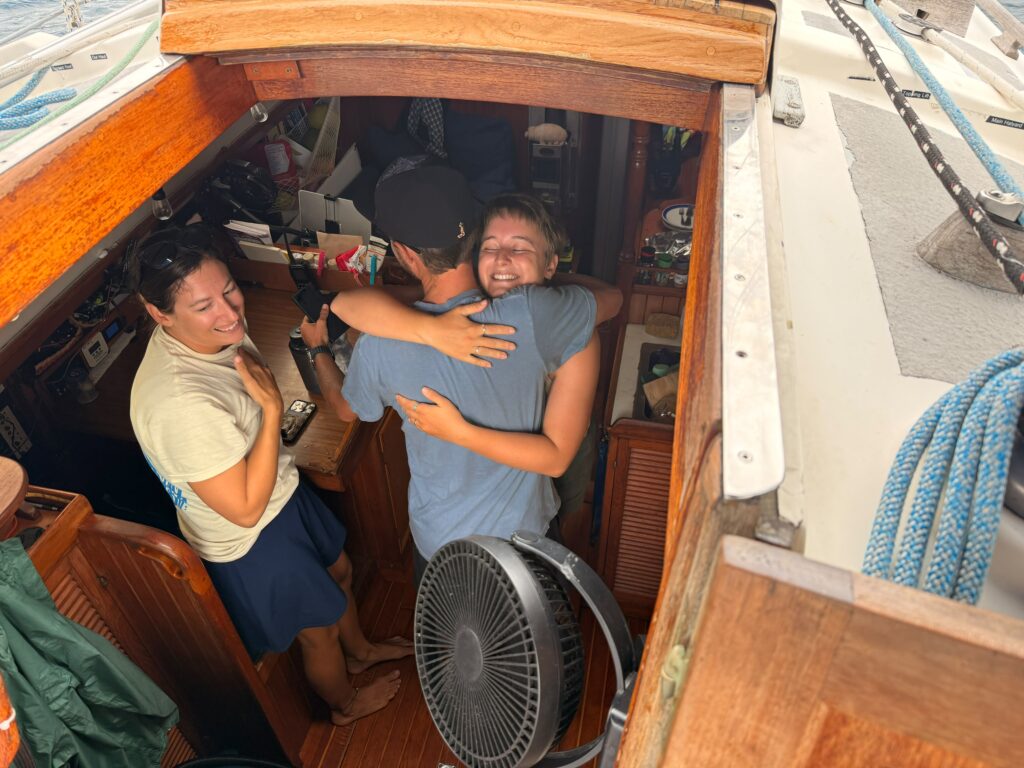
When Amy left, sweet Loops went with her. We’ve loved cruising with him, but the biosecurity requirements get more complicated the farther west we go. Rather than spend the next few years stressing over paperwork, vet visits, and clearances every few months, we decided it was time for him to retire from international boat life. With Loops safely on his way back to the States and most of our friends far west of us, it was time for us to get moving, too.
Only Fatu Hiva, Tardigrade, and Discovery remained in French Polynesia with plans to head west. We saw an opportunity to depart on October 9th. It didn’t look like a great window, but it looked feasible so we stamped out passports at the Fa’a’ā airport and sailed out the pass for what we thought would be the final time. Tahiti creates a huge wind shadow, so we motored about four nautical miles when the wind quickly increased to 27 knots. The waves were big, ~10′, hitting us on the port quarter. Even with our mainsail double reefed, we were overpowered, and Mason was at the helm fighting to keep us on course. On one wave, he turned down hard and we both heard a snap. The wheel was suddenly spinning freely and we knew we had lost our steering.
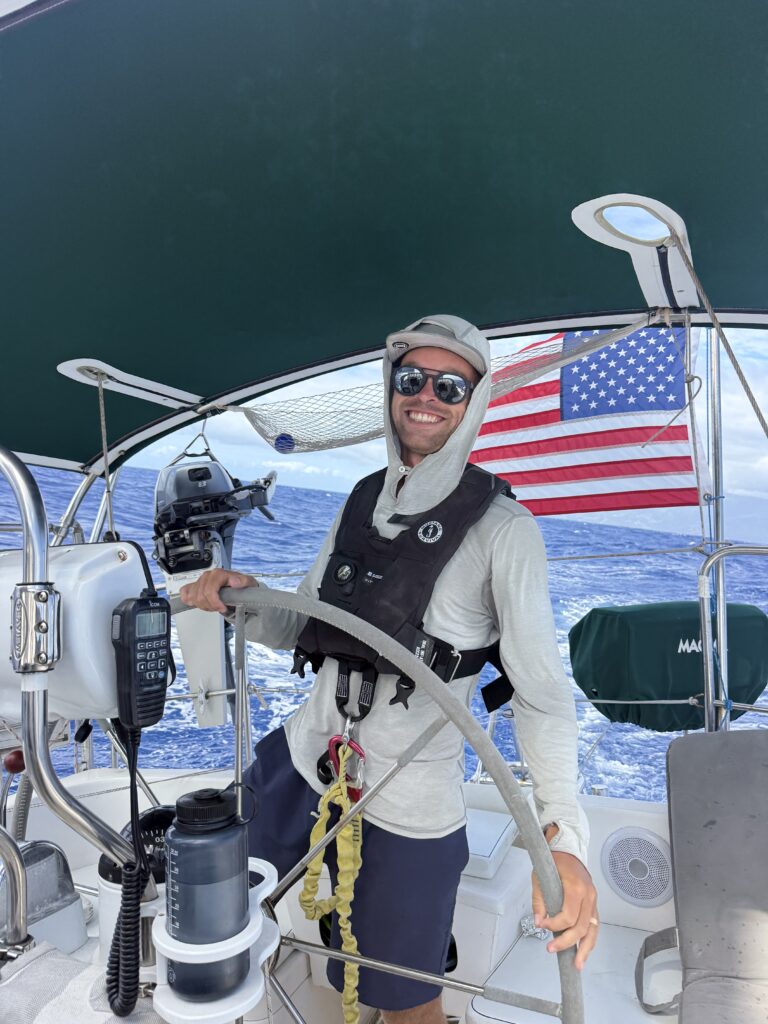
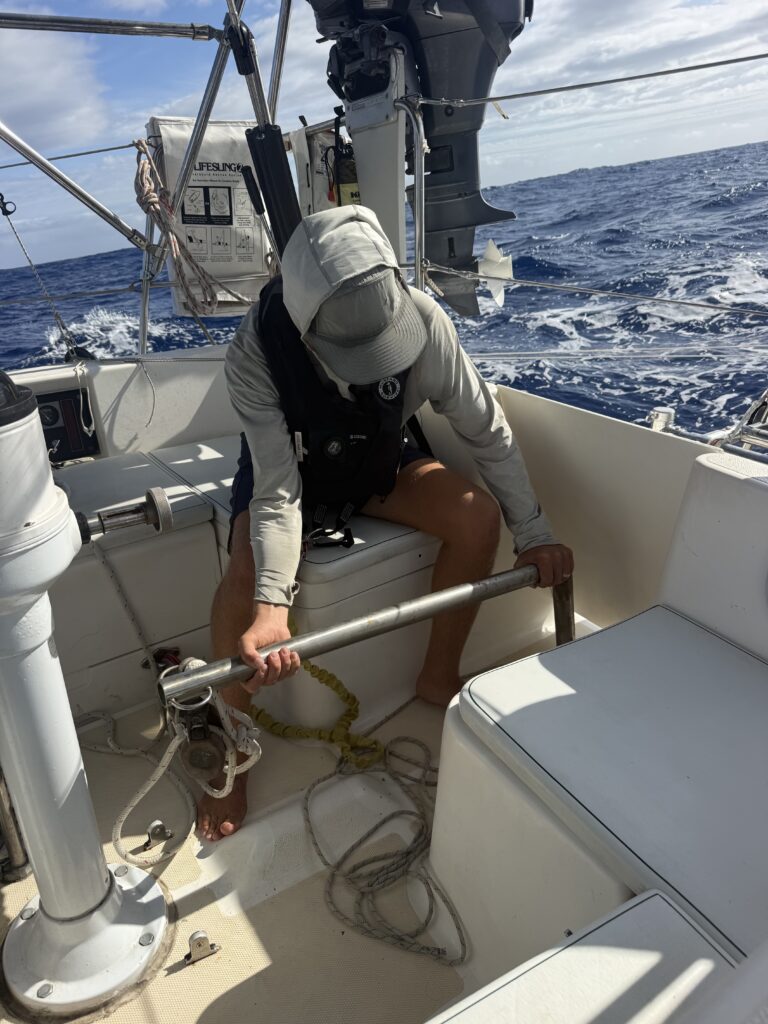
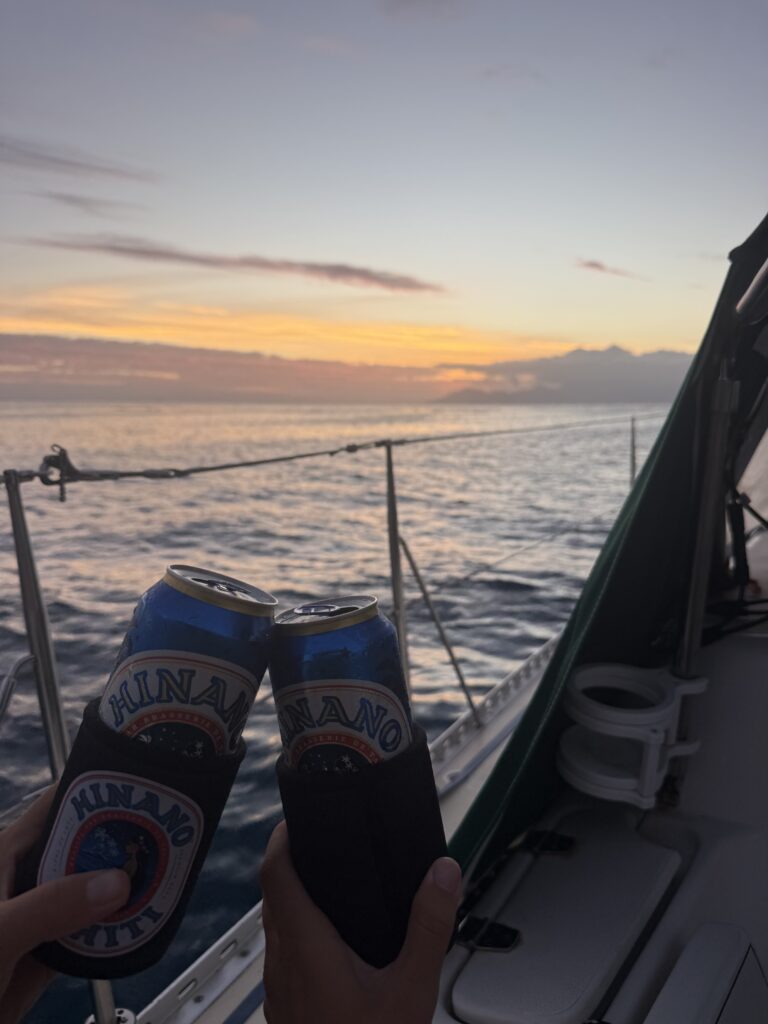
We froze as the boat slowly turned downwind toward Moorea. I started pulling the mainsheet to turn us back upwind, but Discovery was already starting to gybe. Luckily, we had the preventer rigged, so it wasn’t a crash gybe. Once I eased the preventer, the main was luffing on the new side with the jib backwinded. We settled into a stable hove-to position, heading back toward the shelter of Tahiti’s wind shadow. Finally we could take a breath and could think through next steps. We pulled out the emergency tiller and used it to steer back toward Tahiti before realizing we could also engage the autopilot. With that, we made it safely back our the trusty airport anchorage mooring ball.
The next morning Mason crawled into the lazarrete to inspect the steering system and found that the tiller arm was badly corroded and sheared in half. This corrosion had weakened the tiller arm and our sail pushed it to its breaking point (literally). The photos below show the sheared tiller arm and the intact autopilot tiller arm beneath it. Since the broken piece was custom-made, rather than wait to have a replacement fabricated, we decided to replace it with the autopilot tiller arm.
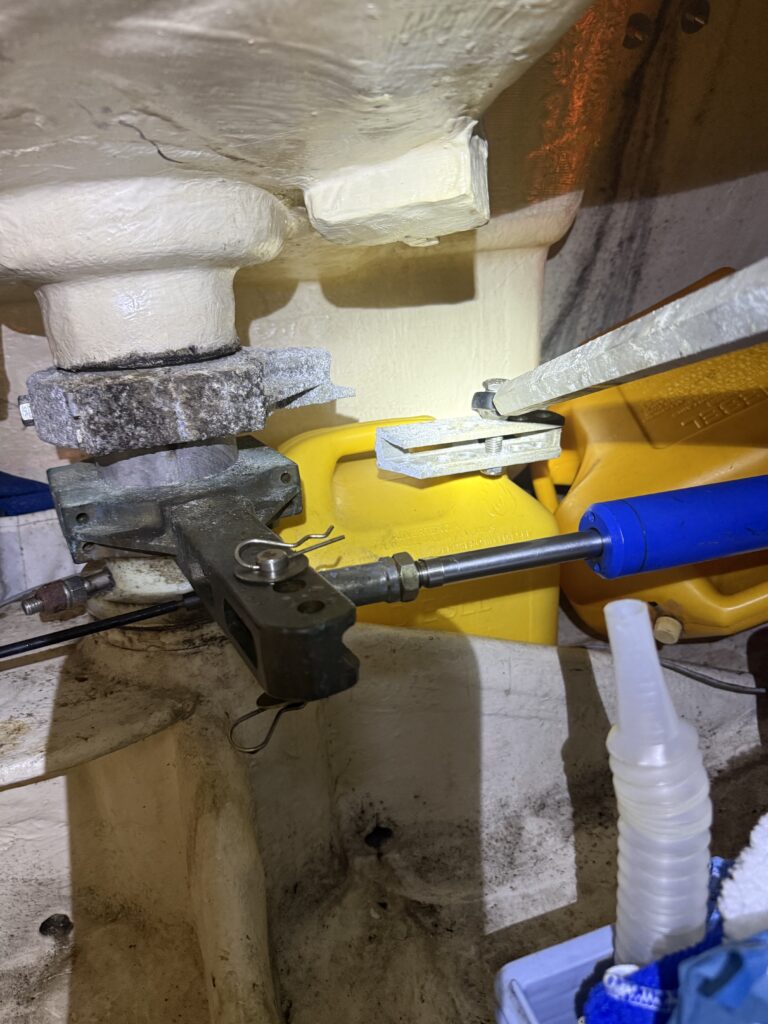
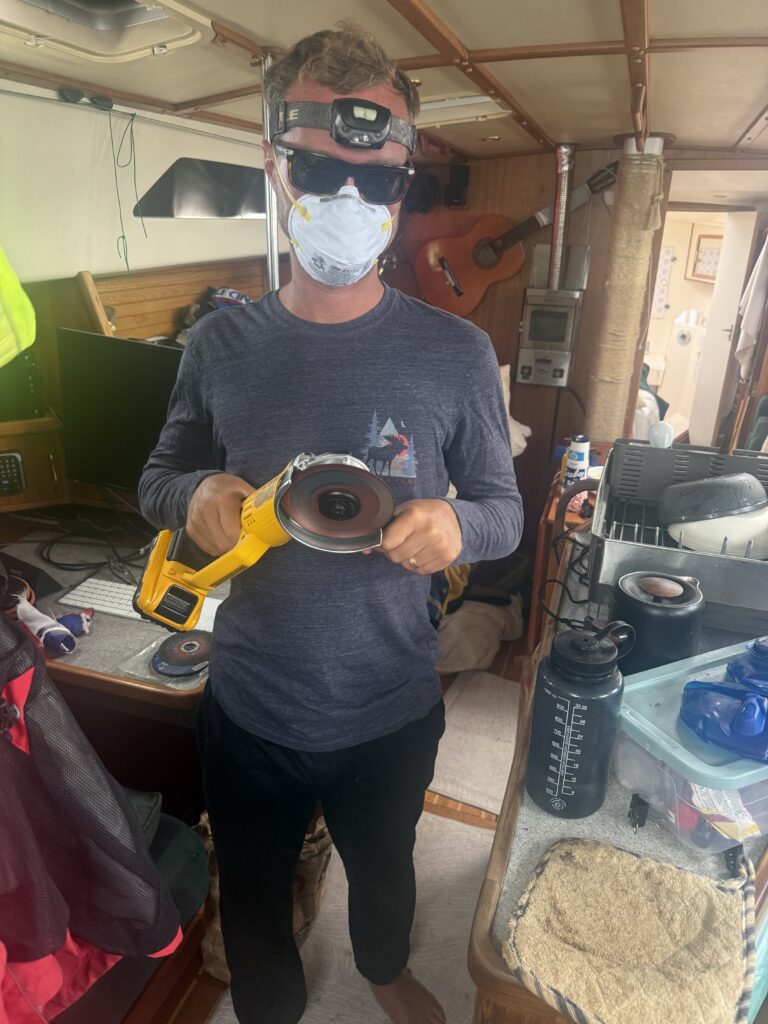
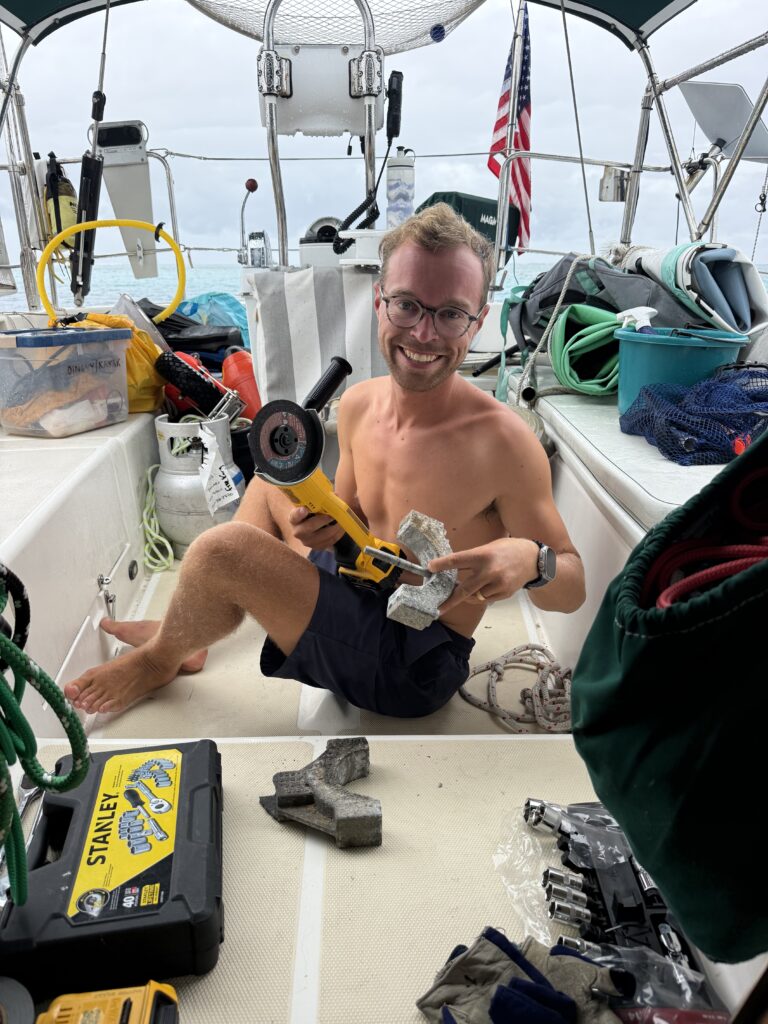
The downside? We’ll be sailing to New Zealand without an autopilot. Thankfully, we still have our wind vane, so send thoughts for plenty of wind! It was a scary reminder of how quickly things can go wrong, and we were incredibly lucky it happened so close to a safe harbor.
We’ve since reunited with Tardigrade and are waiting for Cyclone Wati to move out of our path west. El Niño is bringing these early storms, so we’ve got to get our butts out of here!

3 comments
I love reading your adventures on my way into work! Stay safe!
Thanks Amy! I love seeing your pottery updates and saw Snigdha came in for a class. Hope all is well!
Bravo to you two. ! What a rich and varied banquet of experiences you are having for mind, body and spirit.
I just love reading about and seeing your superb pictures of your adventures. What amazing grit and gusto.
Wishing you fair winds on your passage to New Zealand.